[THIS ARTICLE LINKED TO AN INFOGRAPHIC AT A WEBSITE THAT IS NO LONGER IN SERVICE. THE INFORMATION BELOW WAS UP TO DATE WHEN THE ARTICLE WAS ORIGINALLY PUBLISHED.]
The Infographic of the Week this week comes from FindOnlineEducation.Com, and gives an interesting overview and some facts about the growth of online education.
Some key information featured in the infographic:
Online education represented 5.6% of enrollment in the United States in 1995 and now represents 27.5%
The overseas market in online education is expected to grow by 50% by 2014.
Online education is currently a $73.8 billion enterprise but is expected to grow to $220 billion by 2017.
Predictions
The growth of online education programs will have a great impact on career tracks in higher education. While it remains to be seen how this will actually play out, I think that the trend toward online education will mean the following for higher education professionals:
Comfort with technology will continue to be a key differentiator between candidates. With so many baby boomers and early Gen X-ers re-entering the job market or finding themselves “re-careering,” they will increasingly need to adapt to new technology. If this does not happen, we will see even further growth of millennial representation in key support roles.
There will be an increase in advising and admissions positions, and over time, a decrease in residence life and student activities staff on campus. This will require candidates to increasingly demonstrate their knowledge of curriculum development, information systems and databases.
Advising from a distance will require comfort with virtual teams, online project management systems, webinar/webmeeting technology, and cloud-based data storage and file-sharing.
What Do You Think?
What trends do you see higher education professionals dealing with, as online education programs continue to grow? What key skills do you think will be required? And how can we train people for the challenges that come with this new educational environment?
When you work in Higher Education, it’s tempting to dismiss some of the conventional wisdom about social networking. If you’ve heard (or said) any of the following, then listen to today’s show.
In higher ed, it’s always about what you know, not who you know.
I’ve already got tenure (or a great job). I don’t need to worry about networking.
LinkedIn doesn’t really do anything.
I don’t need another place to post my CV. IT’s on my website and I can e-mail it to anyone who wants it.
“I don’t know anyone who uses LinkedIn besides my students, and I don’t see what good connecting with Johnny from my [insert class name here] is going to do me any good.”
In today’s Higher Ed Career Coach podcast, I’m going to tell you why all of the above are nonsense, and clue you in to what LinkedIn is really good for.We’ll also cover some higher ed and employment news, upcoming programs, new coaching packages, and site news.
The show airs at 11 a.m. ET today (Friday May 11). If you have questions or comments on today’s topic, or could use advice on a job search issue, call in to the show! The phone number is (347) 989-0055, or you can click on the Skype “S” click-to-talk button from the episode page.
LinkedIn is the largest professional network on the internet, with more than 150 million members in over 200 countries and territories, and it adds 2 new users every second. Using the network effectively is a hot topic in business circles, but in my work with clients in higher ed, I get some interesting responses when I encourage them to look into ways to use LinkedIn effectively.
Five things I’ve heard from clients and colleagues recently:
“In Higher Ed, it’s always about what you know, not who you know.”
“I’ve already got tenure. I don’t need to worry about networking.”
“LinkedIn doesn’t really do anything.”
“I don’t need another place to post my CV. It’s on my website, and I can e-mail it to anyone who might need it.”
“I don’t know anyone who uses LinkedIn besides my students, and I don’t see what good connecting with Johnny from my [insert class name here] is going to do me any good.”
If you’ve said any of the above, or have trouble convincing your colleagues to dive into LinkedIn, this infographic might help. I’ve written it to sum up some of my thoughts, in response to the questions above.
Look for more articles and resources on how to use LinkedIn soon! If you really want to really dive in and learn how to use LinkedIn like a pro, check out Lewis Howes’ LinkedInfluence course. (affiliate link). I bought it and found it well worth the money. It gives a great overview of the LinkedIn profile and how to optimize it, and best ways to use groups, applications and other features.
I also offer LinkedIn coaching and profile writing packages, if you are looking for a little one-on-one help. Contact me at sean@higheredcareercoach.com for more information.
Do you have any great LinkedIn tips? Share them in the comment section.
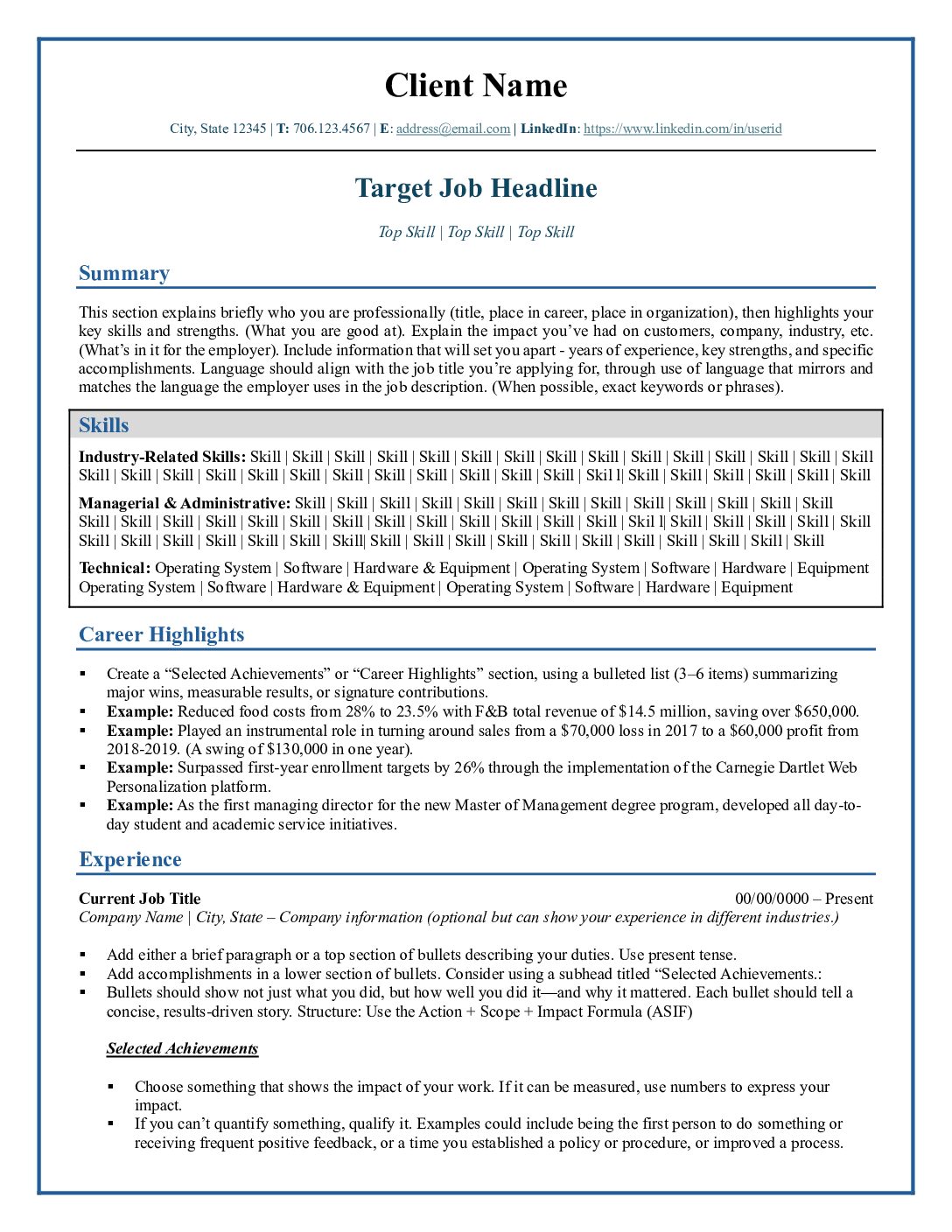
Today’s infographic is an illustration of the main points in my recent e-book “7 Points to a Winning Resume.” The e-book is available here and is now marked down permanently to $7. As before, it includes a $25 coupon, which can be used toward resume services or for coaching packages. Contact me for more information if you are interested.
Melissa is traveling this week, and we didn’t get a chance to connect on this week’s projects, so we did not have an infographic yesterday. I do hope that we can continue running infographics (ours, as well as those from other great sites) on Tuesdays, and that we’ll have the “Take 5” posts each Thursday, featuring recommendations for great articles worth reading, as you plan your job searches and your career development.
7 Points to a Winning Resume
Suggestions Welcome
If you have ideas for infographics you would like to see on the site, please send in your suggestions to Melissa Judy, Content Development Intern, at melissa@higheredcareercoach.com.
Guest Posts and Guest Infographics
Higher Ed Career Coach also accepts infographics as guest posts. The information presented must be relevant to our readership, and publication is at the sole discretion of the publisher. Topics related to job searching, the job market in higher education, educational funding, coaching skills for faculty and administrators, and using social media for job searching are especially relevant. For more information, contact Sean at sean@higheredcareercoach.com.
We here at HigherEdCareerCoach really like infographics. They’re colorful, fun, and they present a lot of information visually, meaning you can pack that much more awesome stuff into a neater package. Here’s a great one that we found on Business2Community, How to Harness the Power of LinkedIn:
Work with Sean. I help higher ed professionals take control of their careers with tailored services including resume and CV development, LinkedIn profile optimization and networking strategy, interview coaching, and one-on-one career guidance.