One aspect of career planning that is sometimes overlooked is the importance of networking, both in the real world and online. Statistically, only a fraction of available higher education positions are publicly advertised, so it is critical to cast a wide net in your job search. Online networking can help job seekers connect to advocates and decision-makers.
Here are some great tips to help you put your name and credentials out there and land the right job!
Start with those who know you best, but don’t be afraid to branch out. The people who can help you most are those who know you best. Let your friends, family, and professional colleagues know you’re on the hunt. Not only can they provide you with valuable leads, they can introduce you to others and help you expand your network. Online networking is a great way to keep in contact with former coworkers, employers, and classmates, and enlist their assistance.
Learn to use social media effectively. Social media is a great tool for network building if you learn to use it right. Join professional outlets such as LinkedIn and actively engage other social outlets such as Twitter and Facebook. This is a good way to reach out to other professionals in your industry, reestablish contact with former associates, keep your network informed, and stay current on trends in your industry. It is also a good idea to do routine checks of your online presence.Google yourself on a regular basis to look for inconsistencies and false or unflattering information. Prospective employers are turning to web searches more often to check out job candidates ahead of time. Remember that what you do and say online can come back to haunt you.
Reciprocity is key. Networking is a give and take relationship, not a one way street. Share ideas and information with your network. Actively engage in forums, blogs, and other online communities. Add benefit to your interactions with others in your network, but do so with sincerity and integrity.
Narrow your focus and follow up. Know exactly what you’re looking for before you look to your network for help and information. Monitor your social media time as well. Remember that these sites are great online networking tools and don’t get caught up in the social aspect of the medium. While these sites are fun and interesting, they are sometimes also a drain on your time and productivity. Make sure to follow up any leads from your network with diligence. Information is only helpful if you use it, and it helps you to maintain credibility. People are less willing to recommend someone who lacks commitment and follow through.
Network for the long term. Networking should never considered be a quick solution to job placement, but a means of building ongoing professional relationships.
Online networking isn’t about applying pressure or asking for favors.Networking is an excellent way to make contacts and establish professional relationships that are fulfilling and mutually beneficial. Extending your professional network to cyberspace is an excellent way to expand your contact base beyond your immediate geographic location and increase your exposure in the job market.
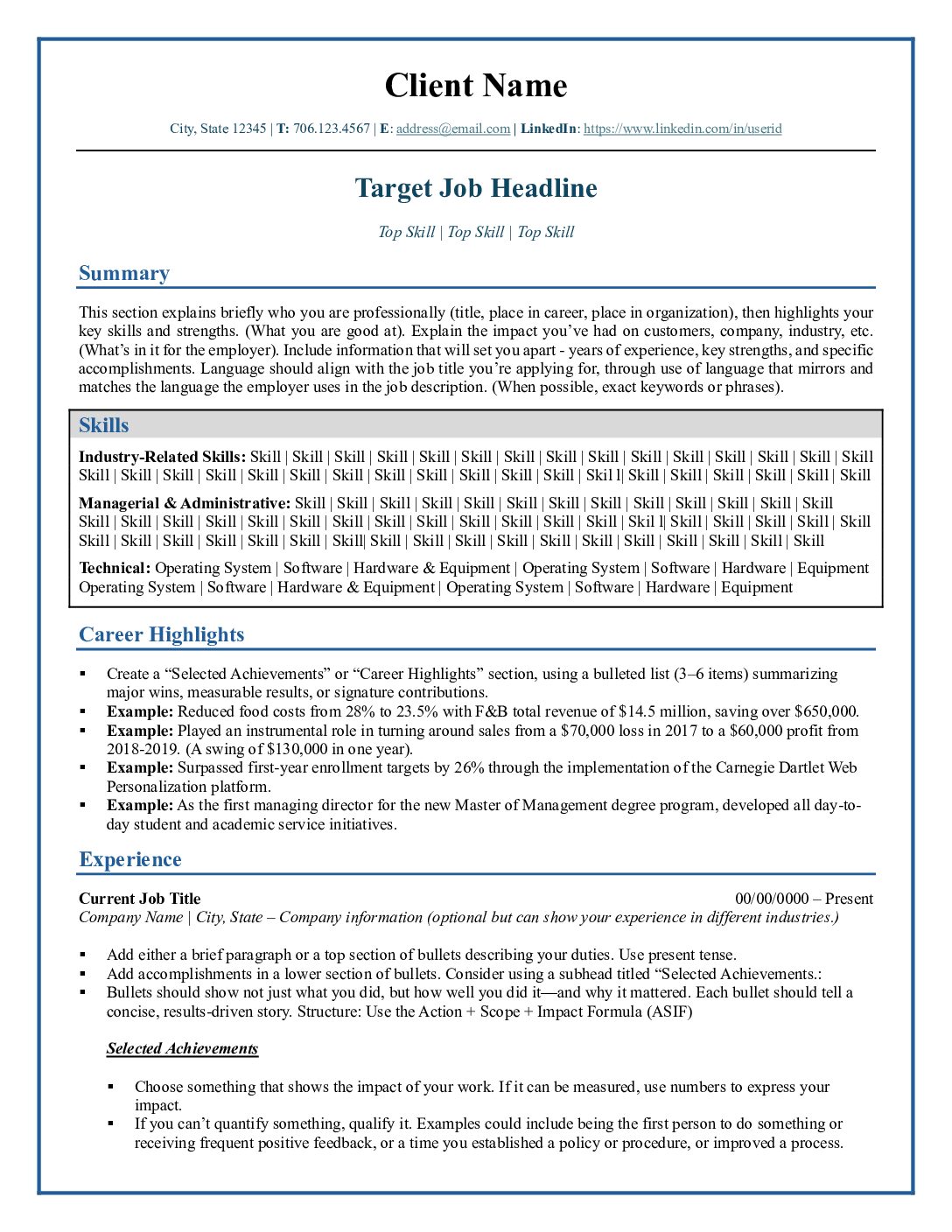
When it comes to landing the job of your dreams, you need to ensure your resume is up to par. Don’t just throw together information on a piece of paper, but work to incorporate pertinent information that applies to the job you’re seeking.
Some of the top tips for creating the perfect resume are outlined below:
Create Content that Showcases Your Abilities – Beyond the design, you need to ensure you have content that sells your abilities and skills. The information provided within your resume will help determine how many interviews you are going to receive, as well as the salary compensation you will earn on the job.
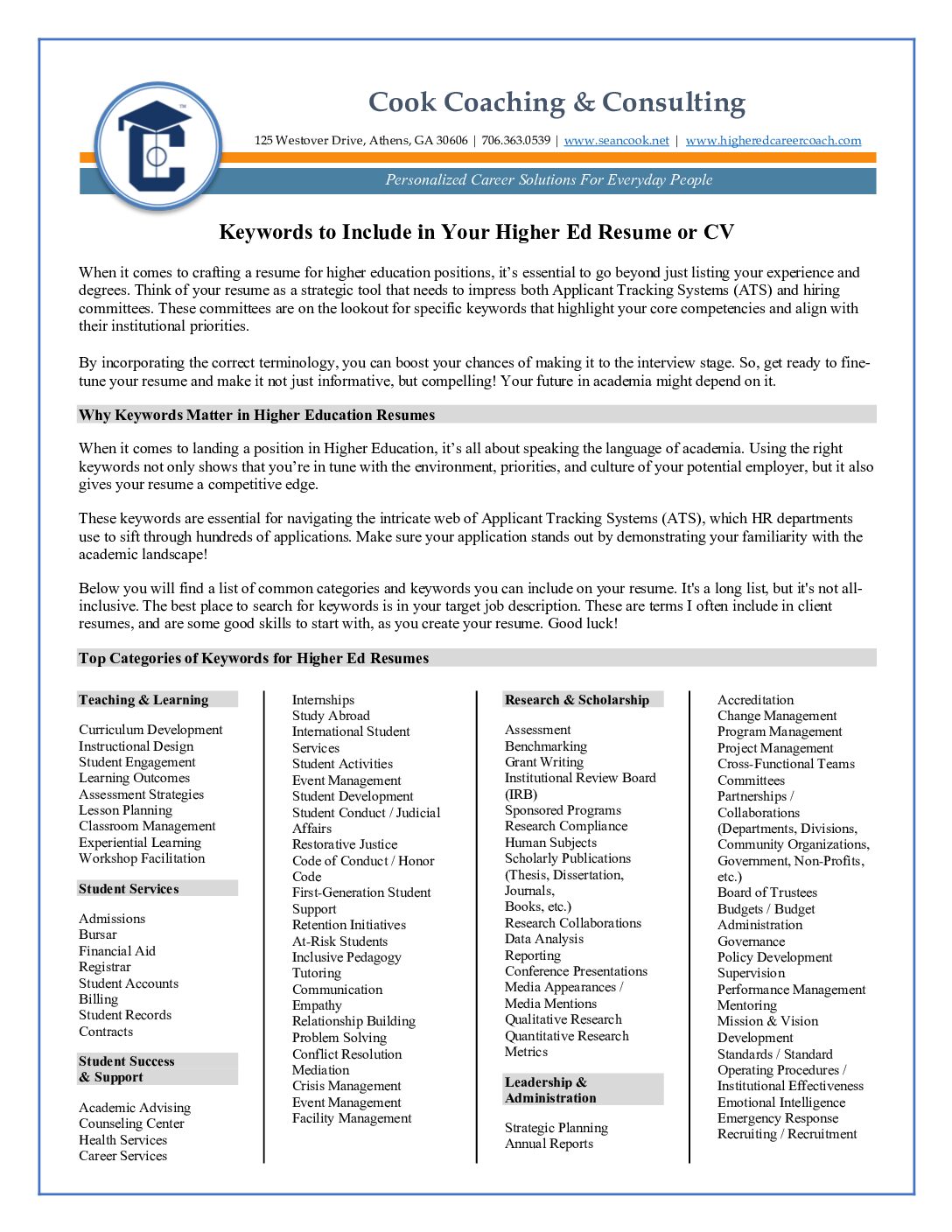
Use Action Words – Using action words helps your resume to stand out among all of the other applicants. Don’t use the same verbs on a continual basis; make sure to switch up the verbs you use. If your computer goes through an electronic scanning, the action words help the computer to recognize your resume and pick it out of the crowd. Some companies are using computers to pull only those resumes that have certain words incorporated into them, which is why it is imperative to utilize the correct words in the document.
Proofread Your Resume Twice – Many people fail to realize the importance of proofreading. All it takes is one simple typo and your chances of landing that dream job are down the drain. Even though you may think you only need to proofread your document once, you need to do it at least two or more times.
Include All Pertinent Contact Information – When compiling your resume, it is imperative that you include all contact information for a potential employer. Be sure to list your name, full address, home phone number, cell phone number and your email address. Leaving out pertinent contact information could mean the loss of a great working opportunity.
Presentation – Ensure your resume is presentable. You will want the document to be clean and free of errors. There is no room for any grammatical or spelling errors. Always have someone else look at your resume before submitting it to someone else. A fresh set of eyes may be just what you need to catch any little errors that could be costly in the end.
Congratulations! All the time and energy you spent, and all the venting sessions your friends and family have endured are behind you. You have finally landed that new job! Your first order of business: Take a week to decompress from the job search and to check items off your personal to-do list so that you can begin your new job with a clear mind!
Then, Get to Work!
When you’re a new employee, there’s a lot to take in:
Campus culture,
Learning names and faces,
Figuring out where various offices are on campus,
Exploring your role in your department and your specific duties (assigned and otherwise), and
Determining what your supervisor expects from you in the first month or two.
It can be overwhelming at first, especially while coming down from the high of landing the job in the first place. Don’t forget that your interview hasn’t ended; have your elevator speech still at the front of your mind in the beginning, as you will most likely use it again when you continue to meet new people around campus.
Check out the links below to ensure you have a smooth transition into your new role and start off on the right foot.
Take 5 is a regular feature where we present links to some good articles and resources on job search topics. If you have ideas for future topics, send them to Melissa Judy, Content Development Intern at melissa@higheredcareercoach.com.
Now that you’ve landed that new job, how do you go about figuring out how to pay your bills without falling prey to the trap of “lifestyle inflation?” How do you figure out how to save the extra money you’re making now that you weren’t used to having in your budget before? And how do you update your work wardrobe without breaking the bank?
We’ve gathered some links to answer all of these budgeting questions and then some!
Take 5 is a regular feature where we present links to some good articles and resources on job search topics. If you have ideas for future topics, send them to Melissa Judy, Content Development Intern at melissa@higheredcareercoach.com.
Now that you’ve secured that job, you need to hurry up and move there! But, don’t be overwhelmed. We’ve compiled a list of sites to will help you remember what to add to your moving checklist, deduct the expenses on your taxes, staying positive throughout the process, and how to actually go about packing up your life and taking it to a new city.
Check out the links to the moving resources listed below and begin your new adventure!
Take 5 is a regular feature where we present links to some good articles and resources on job search topics. If you have ideas for future topics, send them to Melissa Judy, Content Development Intern at melissa@higheredcareercoach.com.
Salary negotiation is a common part of the hiring process, so don’t let it intimidate you. Talking about money is sticky and uncomfortable, but to ensure that you get the salary you deserve to match your skills and experience, it’s a topic that you absolutely have to bring up with a future employer. The more you do it, the better you’ll be at it and the more comfortable you’ll be doing it. The more job experience you have, the more negotiating leverage you’ll have. But, new professionals can negotiate too!
Below are 5 sites that offer a few tips and reminders about how to successfully negotiate your new salary and benefits:
Take 5 is a regular feature where we present links to some good articles and resources on job search topics. If you have ideas for future topics, send them to Melissa Judy, Content Development Intern atmelissa@higheredcareercoach.com.
Work with Sean. I help higher ed professionals take control of their careers with tailored services including resume and CV development, LinkedIn profile optimization and networking strategy, interview coaching, and one-on-one career guidance.


 One aspect of career planning that is sometimes overlooked is the importance of networking, both in the real world and online. Statistically, only a fraction of available higher education positions are publicly advertised, so it is critical to cast a wide net in your job search. Online networking can help job seekers connect to advocates and decision-makers.