Earlier this month, we covered the importance of understanding typical academic hiring cycles when searching for faculty roles. It’s equally important while searching for a job in Student Affairs, but the rhythm of the year is a bit different.
As noted in the previous article, academia operates on a relatively predictable schedule, and job postings are tied closely to the academic calendar. Most institutions plan their staffing needs well in advance of the upcoming academic year.
Open Season: The Job Hunt Begins! Late Winter to Early Spring (January – May)
While fall is the peak season for faculty jobs, late winter to early spring (January through May) is the busiest hiring period for employment in Student Affairs. Most institutions examine their staffing needs between the end of one year and the beginning of the next, and plan to fill vacancies by late summer and early fall.
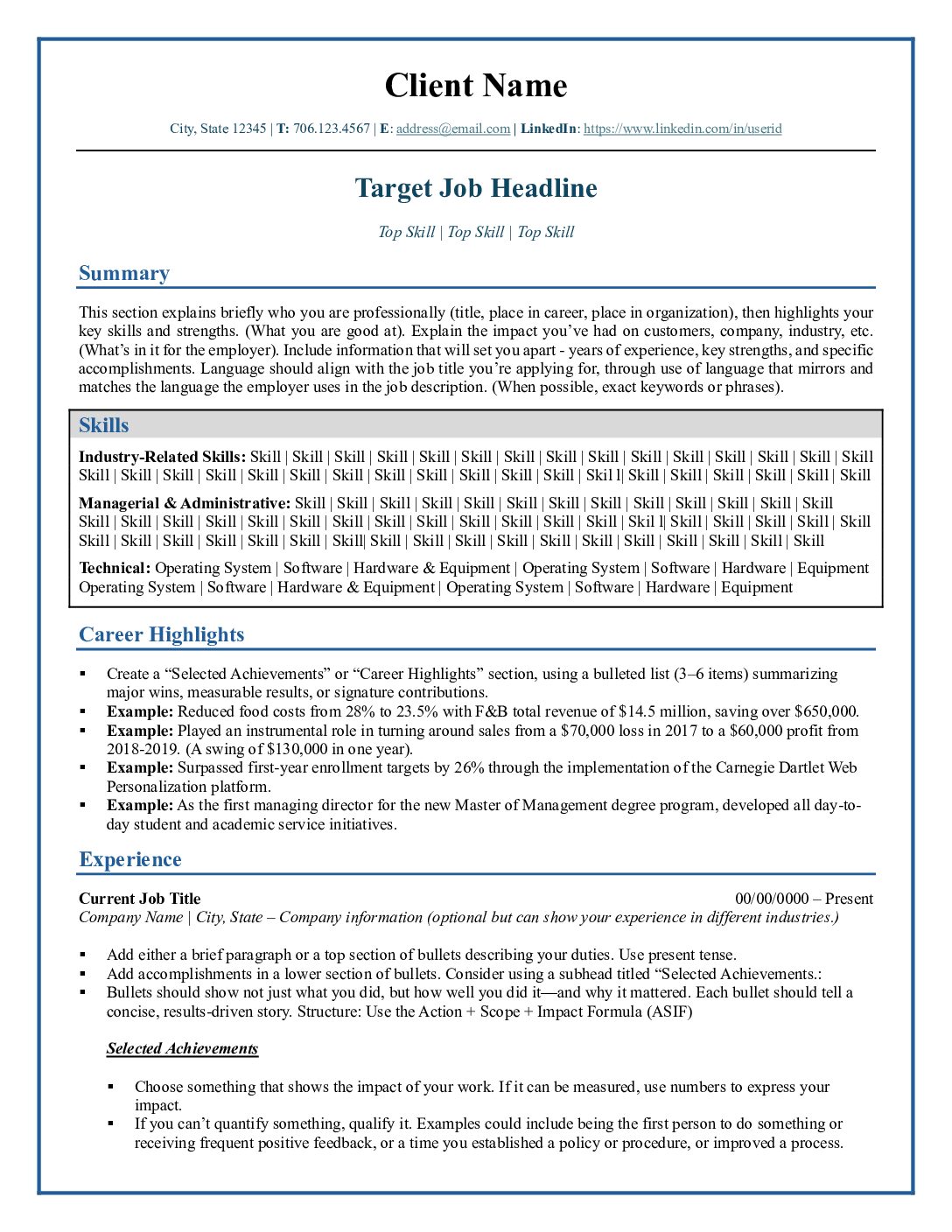
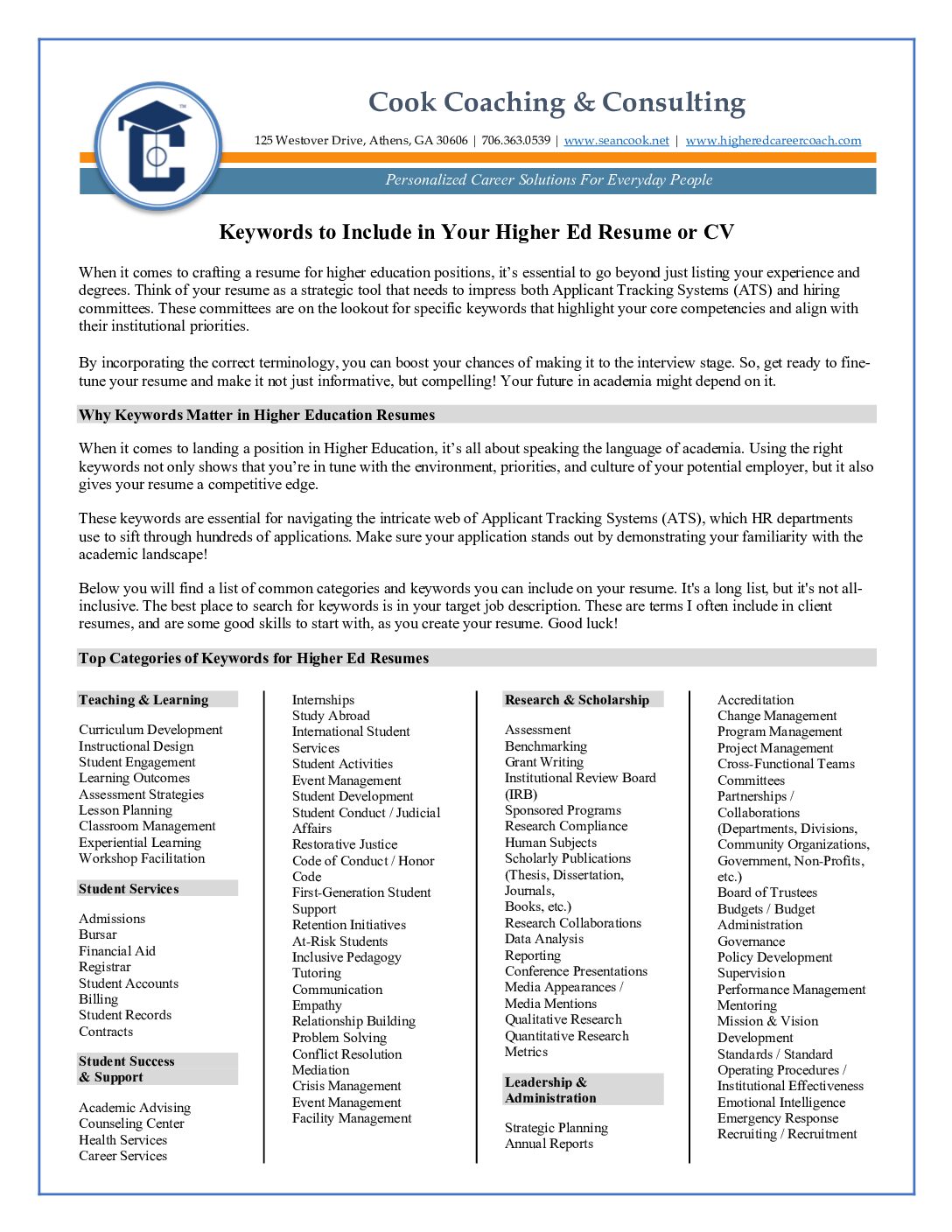
Job seekers can expect to start seeing job postings for the next academic year by January or February. Working backward, this means that individuals seeking a new role should refine their resumes and LinkedIn profiles, line up their references, and begin planning and budgeting in late fall or early winter (October through December) for a busy interview season, which typically picks up in March and April. Professional Associations like NASPA and ACPA hold their annual conferences, providing opportunities for networking. Some regional associations also post career resources and events on their websites, for those with geographic preferences.
TPE, The Placement Exchange, a joint venture of NASPA and ACUHO-I, is a virtual platform where job seekers can research opportunities, apply for vacancies, and have multiple interviews. Marketed as a resource for graduate students and early-to-mid-career professionals, TPE enables employers to set up virtual career booths and offer recruiting information, videos, documents, and links to institution-specific resources, including their institution’s job posting site and benefits information. Employers can post open jobs, receive applications, view applicants, message them, and schedule and conduct interviews through the TPE platform.
Candidates participating in TPE can attend a virtual career fair, schedule interviews during a designated scheduling week, and participate in interviews during a dedicated interview week. Registration for 2026 Virtual Placement begins on December 1, and TPE Virtual Placement dates are February 13 and February 23-27, 2026. For more information, visit the Virtual Placement page on the TPE website.

Phase 2: Interview Season
(March and April)
The next phase of the annual Student Affairs hiring cycle begins in March and April. By this time, many institutions have conducted initial screening interviews and started inviting candidates for second-round interviews. The way interviews unfold during this phase varies. For some positions, particularly early-career roles, the second interview may be the final interview. For more specialized roles and senior positions, the interview process may include different stages and include meetings with various campus stakeholders, including senior management. If an employer doesn’t provide clear explanations of the interview process and hiring timeline, candidates should request this information so they can plan their travel and work around other interview opportunities.
Phase 3: Offers and Acceptances (May through June)
For candidates, the next phase begins and (hopefully) rewards them for all their hard work. By May and June, many employers extend offers, especially for roles that start onboarding and staff training in July. This is common for Residence Life and other areas that welcome students to campus and support student activities and events that take place early in the academic year, such as Orientation, Student Activities, and Greek Life.

The Second Wave:
July Through October
What happens next? A second wave occurs in response to the departure of staff who accepted new opportunities. Many universities begin their fiscal years on July 1st and some do not advertise positions until the new fiscal year starts. Institutions will continue to post new vacancies in late summer through early fall (July through October).
In July and August, “Just-in-Time” hiring takes place to fill positions created by last-minute resignations or newly approved roles before the start of the fall semester. When I worked in Residence Life, I referred to this stage as the time we had a “warm body problem”: we needed to start the year strong, and (facetiously) this meant that we would hire any “warm body” to fill the vacancy. This is an oversimplification. Res Life folks often use sardonic comments to survive the challenges of the professional staff training-student staff training- orientation leader training-residence hall opening-welcome-week-and-everything-else season that ramps up in July and ends in exhaustion (or at some point in October).
Anyway, we wouldn’t take just any “warm body.” We would, however, consider less experienced candidates who showed promise, seemed trainable, and were ready and raring to go. Many of my best staff members joined the department during this time. If you end up being a “second wave” hire, don’t beat yourself up. You weren’t hired late because you weren’t competitive. You were hired late because you had the endurance to keep going.
The End
At the end of this phase, in September and October, there are fewer job postings, many of which are for specialized roles or unexpected vacancies. The academic year gathers steam, and eventually, the hiring cycle for the following year’s vacancies begins. If you are still looking for a job, know that being the best available option is a good thing. Keep the faith, and your opportunity will come. You’ll know your final destination when you get to the “end of the line.”
Some Final Thoughts
- Be prepared for a long process. Due to committee approvals, university bureaucracy, and the need to coordinate multiple schedules, the timeline from application to an offer can take 4 to 6 weeks or longer.
- October through December: Prepare your resume and optimize your LinkedIn profile. Line up your references. Plan your budget to be prepared for networking, placement events, and travel.
- Begin your active search in January and prioritize high-volume application submissions and conference attendance through May to hit the primary cycle
- If you can afford to attend conferences early in the year, use them as opportunities to meet other professionals, support other job seekers, and network. New connections can lead to new opportunities.
- Participate in TPE. It is a structured, high-volume environment where candidates can complete multiple screening interviews with institutions in just a few days.
- Be on the lookout for regional placement events or conferences. Smaller events may offer you opportunities to stand out in a smaller crowd. This is especially important if you are regionally bound.
- If you are interested in a specific institution, visit their hiring page frequently in late Spring and early Summer. Many universities begin their fiscal years on July 1 and typically do not advertise positions until the new fiscal year starts.