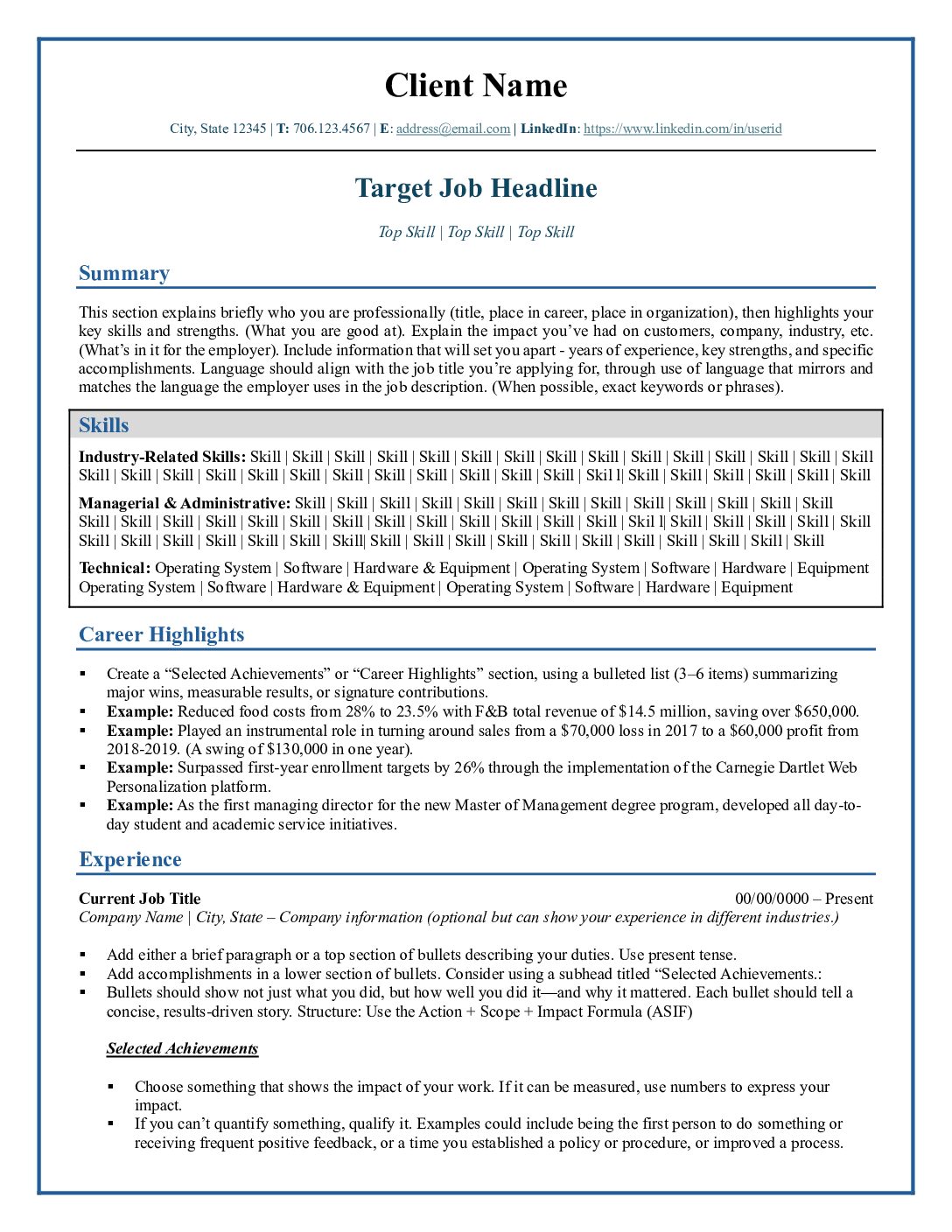
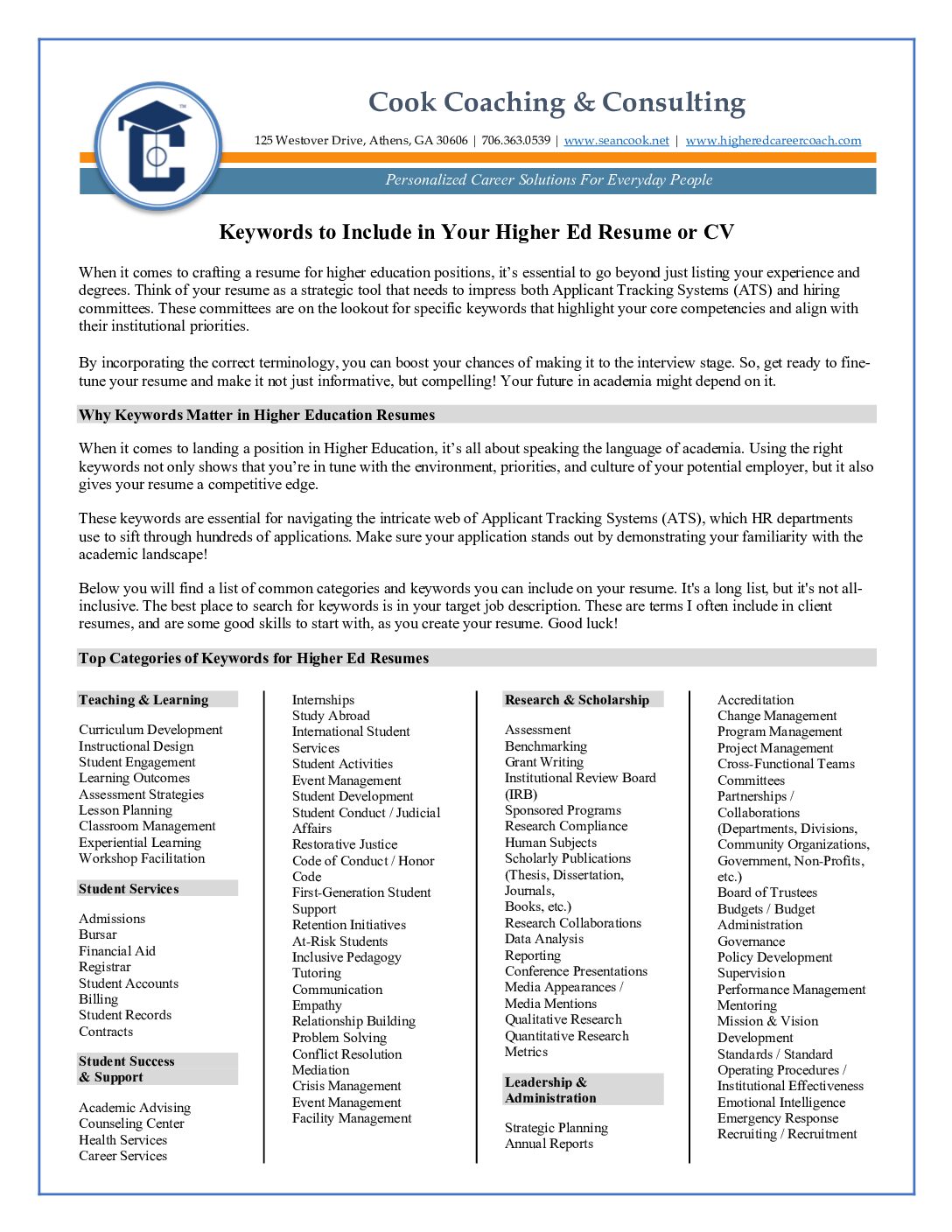
A good résumé captures and keeps the attention of the person reading it, and creates in that person a desire to know more about you. Hopefully, that desire will lead the reader to seek out more information about you and to put your candidacy into context. This could mean that the reader goes on to read your cover letter, if they haven’t already. It could mean that you get invited to interview for the position. But it’s not likely that someone will just read your résumé and offer you a job.
Résumés are used by employers for screening candidates, but interviews are used for selecting the best qualified person for the job. So think of your resume as a ticket. It gets you in the door, so you can continue making a case for your candidacy.
If you’ve never been on the hiring side of the table, the screening process may be foreign to you. So let’s dive into that part of the process and try to understand it.
Screening can happen in many different ways.
- A single person might do it.
- A committee might do it.
- Sometimes, a machine might do it. (Initially.)
But let’s not confuse the issue. They are all looking for the same things. You might call them keywords or key concepts or key phrases, but essentially they are the same thing.
A keyword is not the same thing, necessarily, as a “buzzword.” It can be, but it really depends. Many job seekers spend time consulting websites, résumé books, and their colleagues and mentors about what the latest hot topics are in their industry. The difference between a “buzzword” and a keyword is this: a “buzzword” is a word that everyone is talking about; it may or may not relate to the position you are applying for; a keyword is a term that relates directly to the specific role to be played, and therefore, is directly relevant.
It’s important to recognize the difference between these two concepts. One (using “buzzwords”) is a cynical ploy that may lack coherence; the other (using keywords) is a smart, strategic move that brings together the aspects of your unique offering, and shows the match between what you offer and the employer’s needs.
This post is an adapted excerpt from my e-book, 7 Points to a Winning Resume, which is available for $10 and comes with a $25 discount you can apply toward a resume-writing or career coaching package.