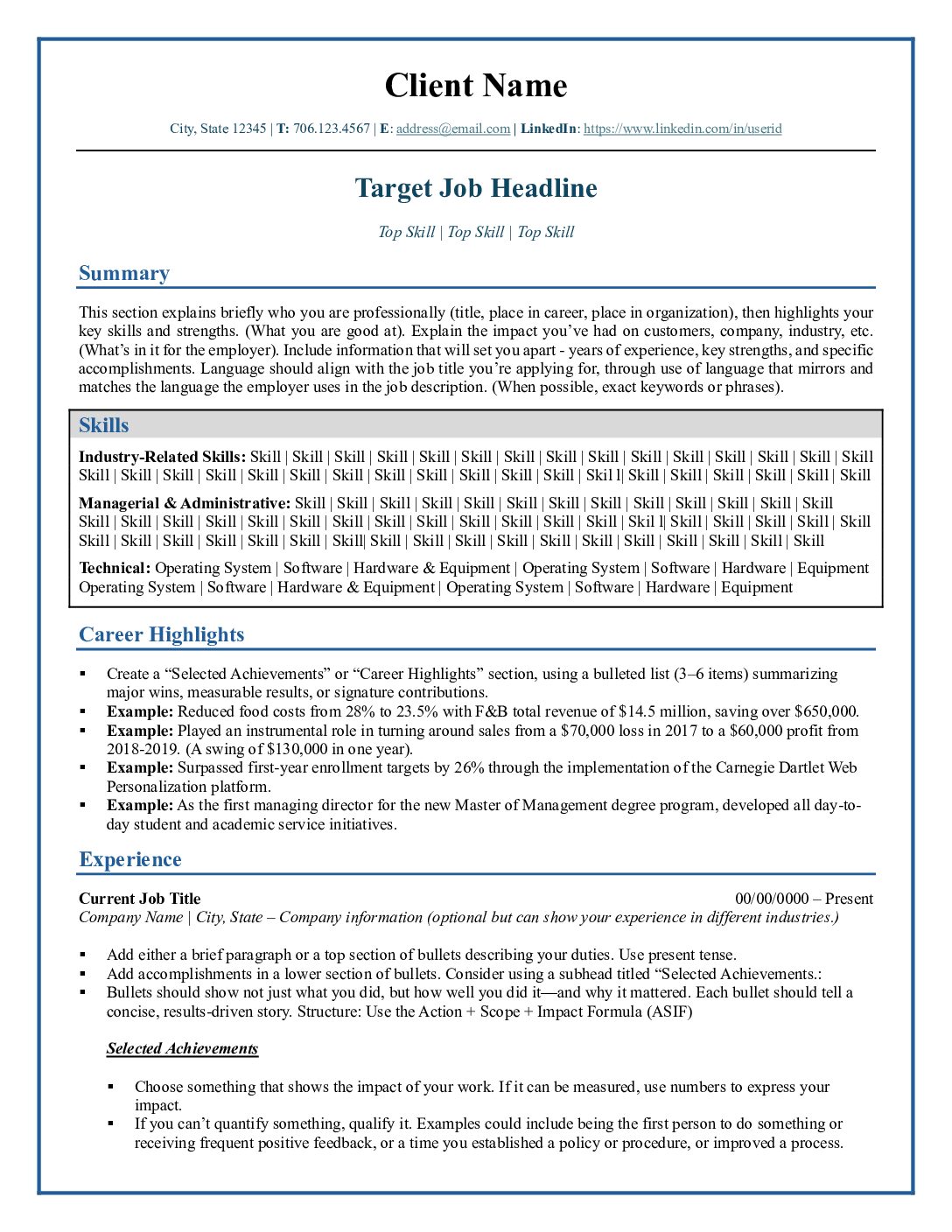
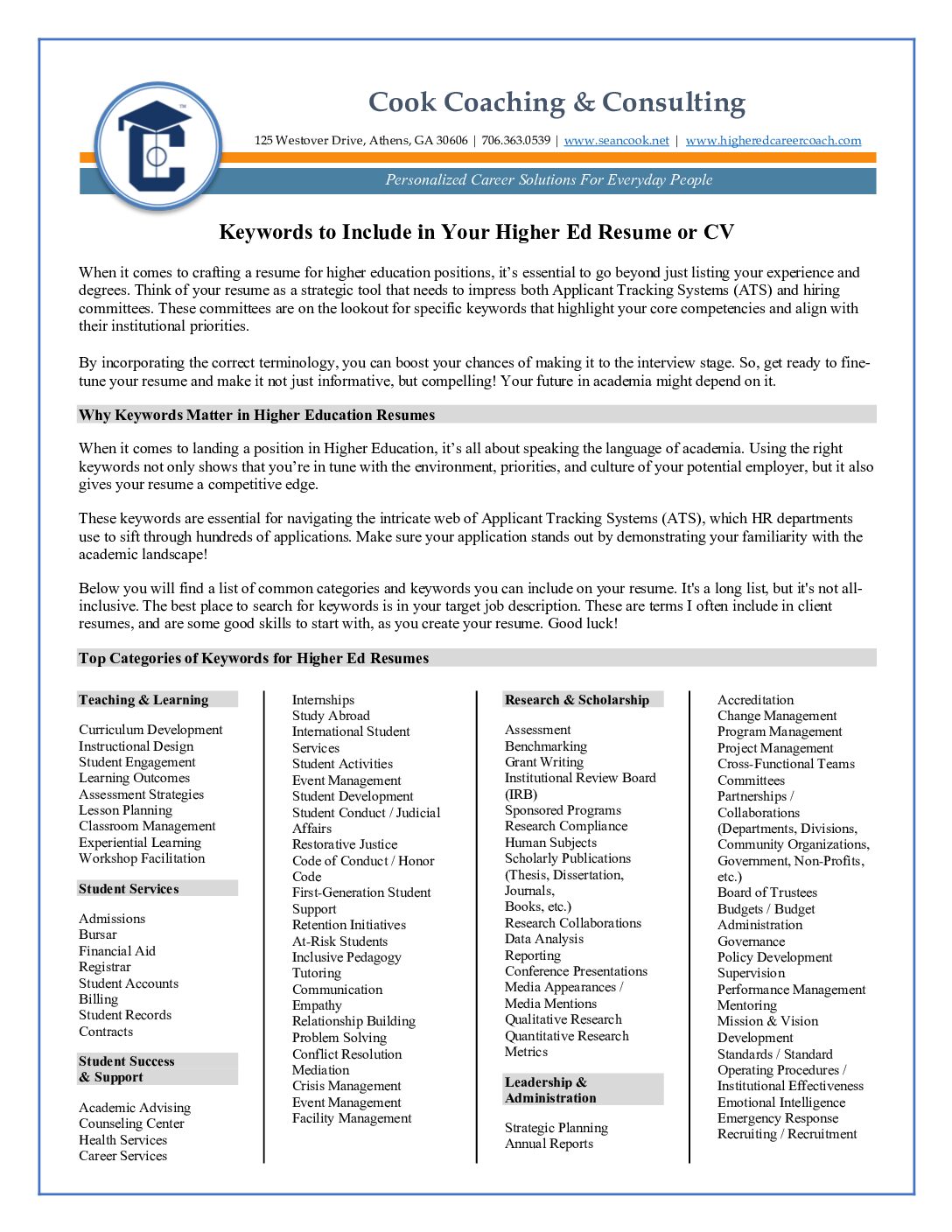
I finally finished my first e-book, which I am calling
“7 Points to a Winning Résumé.”
It’s $5 until December 30, and $10 after that. It comes with some special offers.
I have a great salespage you should check out if you are interested, with an overview of the e-book and what else you get. Please feel free to tell your friends and colleagues!
If you are not interested, come back later for more of the regular articles and advice you find here.
And if you have a break from work this month, enjoy it. I hope this month brings you happiness and good times with friends and family.
Putting together your résumé can be the most daunting part of a job search. It’s hard to encapsulate your education, skills and experience in just a few pages. There are different formats and styles, and what may be common in one industry may not apply to another.
You’ll get all sorts of advice from well-intentioned people. Some of it will be good, and some of it will stink. At times, it will be hard to filter through that advice and separate the wheat from the chaff.
That’s why I decided to take some of my best advice on putting together a résumé and put it into an e-book format. I know the struggle and I have worked many years to develop an approach that works for me and for my clients.
I used to thought-wrestle whenever I needed to update my résumé. I didn’t know where to start. I didn’t know what information to include, or to highlight. I loved designing the actual layout but at times, went overboard. I changed the format. I changed the font. I changed this, I changed that. And I did most of the changes based on “gut feelings” and personal preferences. I didn’t always have a rhyme or reason for my edits. But that is what happens when you don’t think through the process strategically.
But I was lucky, in that I encountered someone who helped me see the light, and to shift my thinking about the role that a résumé plays in the hiring process. I was working on my résumé and she asked me all sorts of questions about what kind of job I had, what I did in that job and what I accomplished. She asked me about my accomplishments, and about what made me unique, in comparison to other candidates. It was a nice conversation. In fact, that was all thought it was.
Then she said “Okay, let me see your résumé” and I realized what was going really going on. She said “Sean, you did a great job over the last few minutes telling me what you did, how you did it, what you accomplished, and why you are unique. but I don’t really see it on this résumé.“ [Emphasis added.]
She talked to me about conveying transferable skills, accomplishments, unique skills, scope of responsibility and motivation. And she gave me some great simple tips on how to get these things out of my head and onto the paper. This conversation shifted my thinking forever, and was actually the moment my enthusiasm for résumés and career coaching started. I made edits to the résumé, and a short time later, I had five interviews lined up, including the one which resulted in my first job at Penn State. After that, helping students and young professionals became my hobby. I spent a lot of time studying résumés, volunteering for screening committees, interviewing candidates and helping people with their résumés, cover letters and graduate school essays. After 15 years, I decided to try and make it my career.
This guide will not give you all the answers, but it will give you some different ways to think about your résumé, some practical ways to discover what employers are looking for, and some tips on how to make sure they find it in your résumé.
The truth is that you have most of the information you need to put together a great résumé. After all, it’s a representation of who you are as a professional, and you know yourself better than anybody.
But…
You have to get inside the résumé reviewer’s head.
You have to read your materials through the reviewer’s eyes.
And you have to capture and keep the reviewer’s attention.
A Winning Plan
This 7-point plan is geared toward helping you think differently about your résumé: to think like the résumé reviewer, instead of a job-seeker. To understand what knowledge and key skills you need, what experiences to highlight, and what roles to explain. The result, hopefully, will be a shift from guesswork to discovery, and from the loose and theoretical to the concrete and practical. In the end, you will have a résumé that speaks for you, stands out from the competition, and scores you the interviews you need, to get the job that you want.
Look for more information about this e-book next week.
Motivation is sometimes hard to come by, but it's essential to keeping forward momentum in your career.
If anyone knows this, it's online marketing strategist Tommy Walker, who went from being fired over pair of pants 3 years ago to writing a magnum-opus guest post "106 Excuses That Prevent You From Ever Being Great" on Chris Brogan's web site. Brogan, known for almost never accepting guest posts, took a chance on Walker's piece, and in the process threw any editorial guidelines he might have had out the window, posting all 7,000+ words of it.
The response the post received so far has been phenomenal, with 329 retweets and 1,260 likes on Facebook as this is being written. We'll talk to Walker about his journey from fired cell phone salesman to successful online marketing strategist and guest blogger, and get tips for knocking down excuses and staying motivated.
This segment was pre-recorded, and will air Friday, October 28, 2011 at 11:00 a.m. ET. To listen, follow this link or use the player in the right sidebar.
Networking is a skill that comes naturally for some, and less so for others. And it takes many forms. But ask most people if it's essential to getting ahead in your field, and moving up, and you will get a resounding "yes" from most.
In a recent edition of the #sasearch Twitter chat, which I host each week with Laura McGivern of theSASearch.Org, we talked about networking and tried to give people some good tips on how to network, in person and online. You can find the full transcript of the chat at thesasearch.org/chats, so I encourage you to go there and download the pdf.
I think that networking is a skill that must be learned by doing. So while it was definitely nice to talk about how to network, and to learn about what people struggle with, I also want to help people move from processing and reflecting and into action. (And, as Mallory Bower pointed out in the networking chat, we often network without realizing that were are doing it.)
It also occurred to me that staying motivated is one of the hardest parts of any job search. It can be hard to keep your spirits up in the face of uncertainty. At times like these it's useful to have a strong support network, and these days that extends oftentimes to online networks. Twitter in particular is one place where modern professionals find regular support and encouragement.
But there is something to be said about taking networking relationships off-line, and dialing back the use of technology. Some great example that comes to mind are the "good luck" cards that many of us make a point to put in candidate mailboxes at Placement Conferences, and those times when people who have connected online send each other cards and faxes, or schedule phone calls or Skype dates. Bringing in a human element to your online relationships makes them feel more real, and can reaffirm the possibility of these virtual relationships resulting in long-term friendships, mentoring relationships, and even potential career opportunities. (My favorite example of this was the "parking lot pep talks" that Stacy Oliver and Shannon Healy discussed on a previous episode of my podcast.
In this vein, I would like to create an opportunity for readers and colleagues to engage in positive networking, to bring relationships off-line and into the real world, and to share a little bit of themselves and their talents with a broader audience.
I am a big fan of the simple artwork by Hugh MacLeod of gapingvoid.com, and of the simple cartoons by Mike Davenport of stickfiguresimple.com, who I worked with to create a brief video last year as part of the "What Higher Education Needs to Learn" series. These two artists post regular updates to their blogs in the form of simple drawings that creatively illustrate simple and powerful lessons for life and for work.
As the father of 2 small children I am also a big fan of arts and crafts. This was true before I ever had children and is a common affliction among many in student affairs. A while back, I came across an article about artist trading cards in Disney Family Fun magazine. You can find the article online at familyfun.go.com, but I'll explain the concept briefly here.
Artist trading cards are tiny works of art on rectangles of paper, either cut by hand or bought in an art supply store. The artist trading card movement, also called ATC movement, began in Zürich Switzerland, and has become a favorite activity of many. The idea is that artists swap work in their communities and online and then kids and family discover art, and learn about trading, while expressing themselves, and developing a love for art.
There are just 2 rules in ATC. First, the cards must be 2.5" x 3.5" and second, they may be traded but not sold. I think that the ATC movement, crashed together with the kind of inspirational and motivational messages in MacLeod and Davenport's art, could lend itself toward the creation of the great experiment in positive networking that could forge new off-line connections between members of the online student affairs community that might otherwise not happen.
You may have noticed that a while back, I posted some random cartoons that I drew on my Facebook business page and on Twitter. This was the mysterious project that I was beginning to work on. And now I need your help.
I'd like to feature artist trading cards designed by readers and other members of the student affairs communities that exist online on this blog. But I want to take it a couple of steps further as well, by not only sharing the art here, but by acting as an intermediary in the creation of potential real life relationships. If you would like to participate, here's what you need to do:
Draw an artist trading card with your own original message and art on a 2.5 x 3.5 piece of paper or index card stock.
Mail the artist trading card, a copy of your current business card (if you do not have one, include a piece of paper with your name, telephone number, physical mailing address, and e-mail address written clearly on it), and a pre-addressed, stamped envelope to Cook Coaching and Consulting LLC, 191 E. Broad Street, Suite 217, Athens Georgia 30601
When I receive your card, I will scan it, and upload the images to a gallery that will be linked to my Facebook company page.
In your pre-addressed stamped envelope, I will return to you someone else's art card and business card, in the hope that you will connect off-line. (Please remember to pre-address and pre-stamp the return envelope!)
This project will continue through the end of the year (if not longer), and the art contributed to this project will be considered for inclusion in upcoming products, including postcards, posters, online videos, presentations, and a possible motivational book for job seekers in higher education. Ideally, I'd like to choose a few of the best and make some cards that you can send to friends, colleagues and students to help them stay motivated in their search, or to
All submissions shall become the property of Cook Coaching and Consulting LLC. Artists will not be compensated for their contributions.
Proceeds from the sale of any products developed as a result of this project will go toward providing free or reduced-cost coaching, resume services and other career assistance to job-seekers in higher education, and to support other worthy efforts that benefit higher education job-seekers. Updates about proceeds collected, and services/assistance provided will be posted periodically on this site and the Facebook page.
At some point, many educators find themselves looking at career options outside of academia. There are many reasons one might consider doing so...feeling stuck in a career rut, a change in interests, new opportunities that arise through networking, or perceptions of "greener grass" just beyond the academy walls.
But how should you go about deciding on a career outside of higher education? What do you need to consider in putting together a plan for making a successful transition?
In this week's edition of the podcast, we'll get perspectives from Dr. Laurence Shatkin, who made a successful transition to the corporate world after several years as an adjunct.
The episode will air at 11 a.m. ET this Friday. The interview with Shatkin is being pre-recorded due to a scheduling conflict, but the rest of the show will be hosted live. Please call in with your questions and comments. The call in line is (347) 989-0055 or you can connect via Skype from the episode page, once the show is on the air, by clicking on the Skype "S" click-to-talk logo.
Check out The Sequel and other titles on Dr. Shatkin's page on Amazon.Com (affiliate link).
Many educators struggle with networking. Some see networking as something people do in the corporate world, but not in academia. They don't always understand why they should network, or how to do it if they want to. Mary Vogl-Rauscher has taught Leadership Development and business courses at Moraine Park Technical College in Fond du Lac, Wisconsin for the past 15 years. The Leadership Development program offers training in leadership; human relations; budgeting; quality, legal and safety issues; problem solving and team building; and diversity and change management. MORE INFO ON PROGRAM: (http://bit.ly/q8DMpk )
Prior to Moraine Park, Mary was Director of Executive Staffing and Development at Shopko for ten years and also worked in Human Resources and Operations at Proctor and Gamble and Corporate McDonald's.
With her experience in higher education, career transitions, human resources and leadership development, Mary was able to offer some great perspectives on networking, how to do it, how to get started, and stumbling blocks to avoid when networking. Vogl-Rauscher credits networking for helping her successfully make the transition from the corporate world to academia.
This edition of the podcast was pre-recorded. The show will return live next week, with an interview of Laurence Shatkin from JIST Publishing. We'll be discussing how to go about researching and planning a career outside of higher education. Please listen and call in!
Work with Sean. I help higher ed professionals take control of their careers with tailored services including resume and CV development, LinkedIn profile optimization and networking strategy, interview coaching, and one-on-one career guidance.


 I’ll make this post short