At some point, many educators find themselves looking at career options outside of academia. There are many reasons one might consider doing so…feeling stuck in a career rut, a change in interests, new opportunities that arise through networking, or perceptions of “greener grass” just beyond the academy walls.
But how should you go about deciding on a career outside of higher education? What do you need to consider in putting together a plan for making a successful transition?
In this week’s edition of the podcast, we’ll get perspectives from Dr. Laurence Shatkin, who made a successful transition to the corporate world after several years as an adjunct.
The episode will air at 11 a.m. ET this Friday. The interview with Shatkin is being pre-recorded due to a scheduling conflict, but the rest of the show will be hosted live. Please call in with your questions and comments. The call in line is (347) 989-0055 or you can connect via Skype from the episode page, once the show is on the air, by clicking on the Skype “S” click-to-talk logo.
Check out The Sequel and other titles on Dr. Shatkin’s page on Amazon.Com (affiliate link).
Many professionals start strong but struggle to define themselves when they arrive at the “middle” of their career tracks. Early career moves may have pointed them toward other paths than they imagined, or obstacles may keep them from where they would like to go. This could mean taking on new responsibilities, supervising and mentoring young professionals, pursuing further education, or taking different approaches to your career altogether.
So what can you do when you arrive at the midpoint of your career, to successfully manage career transitions?
We’ll talk about mid-career transitions with Caroline Ceniza-Levine, career expert, writer and speaker, co-founder of SixFigureStart. Caroline has 16 years of experience in professional services as a management consultant and executive and corporate recruiter. She has recruited for leading companies in media, financial services, management consulting, pharmaceuticals and technology. A career columnist for CNBC.com,Vault.com, Wetfeet.com, and Forbes.com, as well as an adjunct assistant professor of Professional Development at Columbia University School of International and Public Affairs, Caroline is the co-author of “Six Steps To Job Search Success” and of the best-selling “How the Fierce Handle Fear: Secrets to Succeeding in Challenging Times” Her career advice and job market insights have been quoted on CBS, BusinessWeek, CNN Money, NBC News.com, Newsweek.
Please join us at 11 am ET Friday!
SixFigureStart offers career coaching by former recruiters. Their coaches have hired thousands of people and know firsthand what employers really want. Founded by two professionals with over 40 years of combined HR experience. More information can be found at the links below.
Have you heard about Hiring for Hope? It’s a grassroots, nationally recognized 501(c)3 public charity, conceptualized as a Life Management Community (LMC) designed to help people manage and overcome all the obstacles associated with family building and/or career management challenges.
I heard about this group a while back from Johann Lohrmann, who wrote a guest post on mind-mapping your job search. He put me in touch with Tegan Acree, Hiring for Hope’s Founder and President.
Hiring for Hope offers assistance with:
Career and Family Building Management
Financial Assistance
Online Networking/Support
Workforce Solutions
Hiring for Hope is made up almost entirely of volunteers committed to their mission. I’m excited to be volunteering for a Career Connection Forum event on July 26th in Marietta, GA. This is my first time volunteering for the group, and I am really excited.
Unemployment is such a huge problem in Georgia these days, and I see the impacts of this almost every day. I live in a neighborhood with a mix of rental properties and single-family homes, and many of my neighbors are unemployed. I’ve offered to help a few of my neighbors with coaching and résumés but some of them have been out of work so long they have given up.
Groups like Hiring for Hope combat the very real problems of unemployment and that lost sense of hope that sometimes goes along with it. I’m glad to be doing what I can to contribute. And I’d like to challenge you to do the same.
I’ve signed up to be an online fundraiser for Hiring for Hope and have set a $1000 goal. Please donate what you can, and help give hope and practical assistance to those in need. Click on the badge below to go to my fundraising page. Thanks for helping in whatever way you can.
How many times in your career have you faced a decision where there was a good job in front of you (maybe even offered to you) and you knew it was a terrible fit, or that the benefits outweighed the costs? This has happened several times to me, and luckily, in most cases, I had the good sense to walk away.
In those cases when I didn’t, though, I took a job and was miserable. It’s also happened that I took jobs and the jobs changed, or my interests changed at a different pace than the jobs (or institutions) adapted to change. In cases like these, it’s best to know what you are not.
In this vein, I want to clearly describe what I am not, and what Higher Ed Career Coach is not.
I am not strictly a professional blogger. First and foremost, I am a professional career coach, organizational consultant and speaker. The blogging supports the dissemination of my ideas, of my perspectives on career strategy, and serves as a marketing vehicle for my coaching programs and services (individual and group coaching, webinars, information products, etc.)
I am not an advertising professional, and this is not a “job search” site. You cannot find job listings here, and I have no intention of becoming a job board, in part because that is a saturated market, and in part because I believe that sector of the advertising marketplace is dying, as the web 1.0 model of “job boards” is being replaced by social advertising.
I am not a conventional information marketer. I am an educator and a coach. Anything I sell through this site will be:
Educational (i.e., based in philosophy but instructional in nature and delivery)
Reflect my personal and professional perspectives as a reformed educator, critic, strategist, and an educational reformer (i.e., an outsider from the inside, now looking back in, and commenting on what is good and what is broken)
Concerned with convergence of ideas, lessons from other industries and fields, and real-world factors, including economic factors, political concerns, and the environment.
Intelligent, in that readers can expect articles to be generally written at or above the college reading level. My assumption as publisher is that my readers are smart, not easily confused, and engaged in the development of coherent and well-rounded perspectives on a variety of topics. The Flesch reading ease score for all submissions is available to me as editor and publisher, and most articles on the site rate as “difficult” or above. Articles are not revised for that reason, as long as uses of grammar and spelling are appropriate. Articles appearing here assume that the reader is an academic professional, member of the faculty, or someone capable of functioning in those capacities, so articles will not be “dumbed down.”
Social, in that topics that relate to social networking and intelligence, and how they play into job searches and career planning, will be regular features. Understanding how to create a socially intelligent career strategy is a core concept of this site, and in most cases, coverage of other topics will also include ways to approach those topics in socially intelligent, relevant and appropriate ways.
A good-humored, good-natured and personal brand. I want this site, and my corporate brand to reflect my values and the values of everyday educators who work in the trenches and persevere in living lives of service and commitment, despite the many and growing challenges of modern higher education.
The site’s values are drawn from the well of my experience, my commitment to the core values mentioned above, and my belief that the best answers are rooted in how individuals, institutions, businesses (including independent small businesses like my own), and personal learning networks work together to raise the collective intelligence of our society and mobilize change through social action.
To be most effective, we need to have a sense of humor as well as a sense of commitment, a belief in the good intentions of others, met with our own good intentions, and brought to life and to action by the power of personal relationships, common interests, and common goals, and not dictated by traditional methods of business, most importantly closed networks, claims on personal ownership of collective public information, and the sheer pursuit of financial gain at the expense of competitors and the public good.
My financial goals for this site are simple and rooted in the American dream. I want to support my family and spend time with them, support my profession and be able to criticize it, so that it can change and grow. I want to have good conversations with intelligent, kind, committed people. And one day, I want to be able to retire and play with my grandchildren and work in the garden, without being a shriveled up husk of a man, spit out by a system that didn’t understand him and never valued his contributions appropriately. (Which is where I was headed, if I had stayed at Penn State.)
As I mentioned, it’s never been about money. It’s always been about passion for ideas, service to the greater good, and helping people like me live lives of purpose and authenticity
Hopefully this article, and others published recently have cleared up for you what this site is and is not about, and who is or is not responsible for the content herein. If you like the ideals that this site is committed to, please keep reading and join the conversation.
If you are looking for intelligent career strategies to help you move forward in your career, and intelligent ideas for solving the problems of higher education, and you don’t mind the contrarian views, crusty language and occasional humor, then Higher Ed Career Coach is the site for you.
If you just looking for position listings, or run-of-the-mill career advice, visit a job board like HigherEdJobs or Monster.Com, a university human resources page, or LinkedIn.
That’s where I would go, if I were looking for a job, instead of planning a social revolution.
Supervision is hard. Developing a coherent supervisory style is even harder. And explaining your supervisory style in an interview? Really, really hard.
On tomorrow’s episode of The Grill, at 11 a.m. ET, John Mayo and I will be discussing how to approach questions about supervision and your supervisory style in a job interview.
As usual, we’ll throw a few typical interview questions on “The Grill,” and discuss:
What an interviewer is really asking (the question within the question–i.e., what they really mean)
How to approach answering the real question
Good ways to answer
Bad ways to answer
And then, hopefully, we’ll take your calls. Call us at 1 (347) 989-0055 to take a stab at answering the questions, and we’ll offer you a live critique and our honest feedback. If you’d prefer, you can also Skype in from the episode page on BlogTalkRadio, by using the Blue “S” click-to-talk button on the page. And whether you listen live or not, we’ll continue the discussions on the Cook Coaching Facebook page, where you can also check out past questions and try your luck at answering those, too. And a few times each day, I add some interesting posts there, and you can discuss any past articles from the website.
Since we did not have a live segment last week, anyone who listened to the previous episode, What Comes Easy and What Comes Hard, will be welcome to call in and give a shot at those questions. I had a few people express interest, and had hope to schedule a follow-up teleconference, but some other business details got in the way this week. So please feel free to call in and answer those questions, too.
Please join us as we throw this week’s questions on The Grill. We’re looking forward to talking to you!
Did You Enjoy This Post?
Please take my reader survey and tell me what you think about Higher Ed Career Coach. It’s 11 questions and shouldn’t take long. Also, SurveyMonkey will be selecting one recipient at the end of June to receive a $25 Amazon gift card. So give your feedback and get a chance to win!
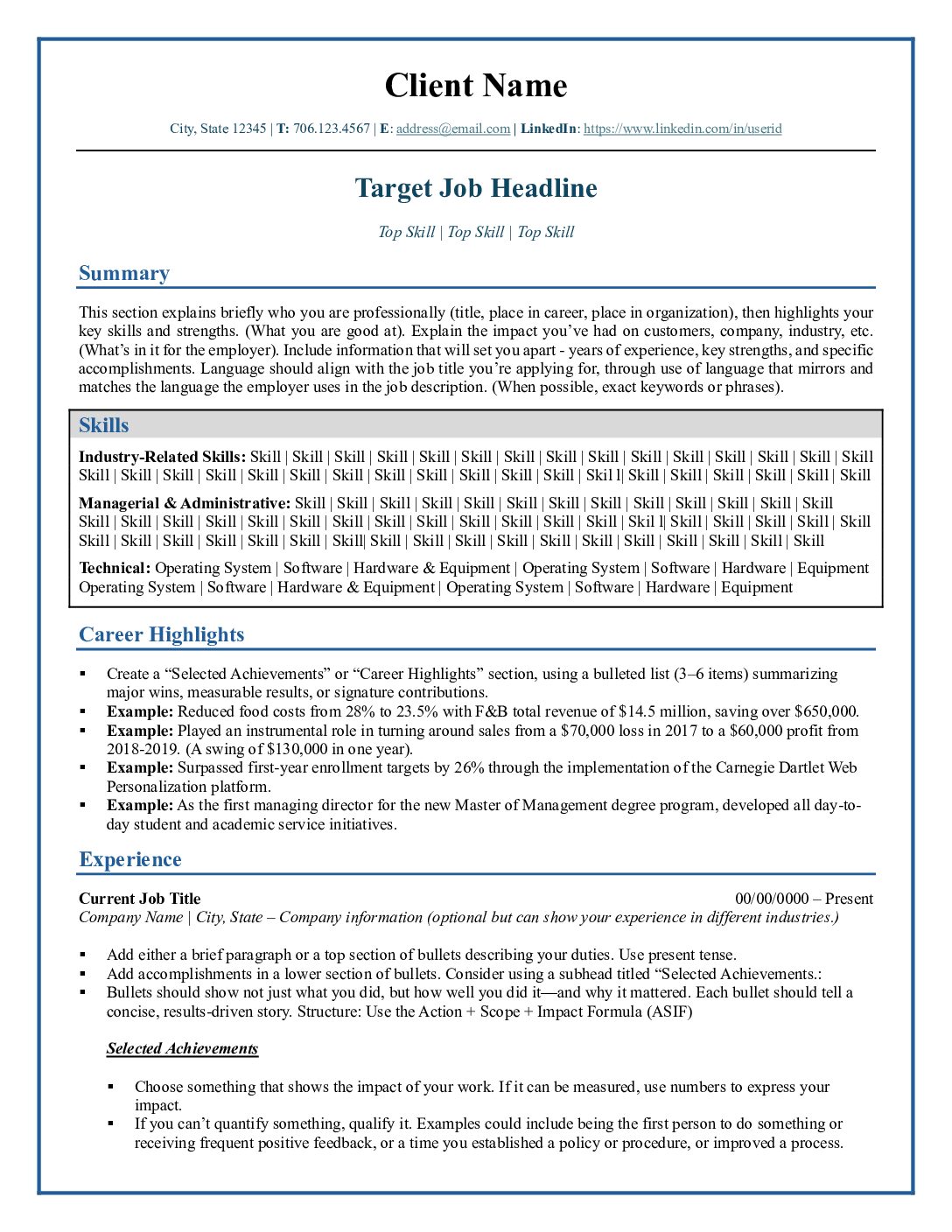
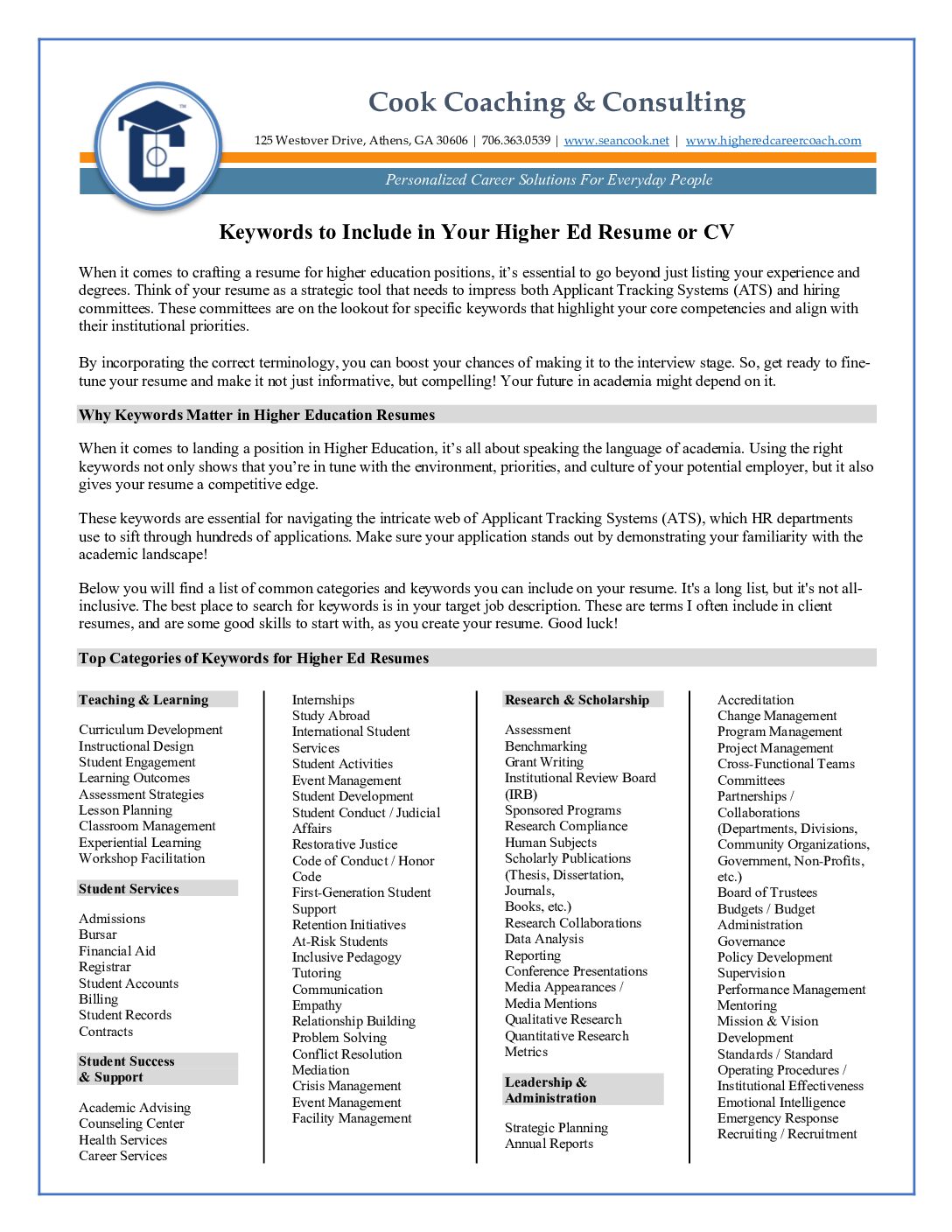
Work with Sean. I help higher ed professionals take control of their careers with tailored services including resume and CV development, LinkedIn profile optimization and networking strategy, interview coaching, and one-on-one career guidance.