by Shannon Healy | Feb 2, 2010 | Job Search, The Placement Experience

Shannon Healy, Guest Blogger & Job Seeker
Let’s just get this bit of nerdiness out of the way from the get go: Yes, I am using a Twitter hash tag as the title of my blog. I wouldn’t have the task of blogging about the adventure of my job hunt if it weren’t for Twitter, so it’s a bit of a nod to Sean Cook and Higher Ed Career Coach for letting me take up space on their site.
So who am I? My name is Shannon Healy and I’m in the final semester of my grad program in Student Affairs. So in the midst of writing a thesis, attending class, working an assistantship and job hunting, I’ll also be blogging to tell you all about how that last process is going. I currently work for Housing and Residence Life on a college campus as an Assistant Living Center Director. I’m a Millennial, so the idea that all these people will be logging on to read about ME does excite me a bit, I won’t lie. I’m also a worrier, so the idea that all these people will be logging on to read about me also scares me quite a bit. I also worry about what I’m getting myself into conducting my first actual job search.
Thankfully I have been able to connect with a wonderful network of Student Affairs professionals on Twitter who have been telling me tips and tricks for placement conferences, sharing encouraging quotes, and giving me their pieces of advice. Best advice I have received so far? “There’s no such thing as a dream job. Heck, even the guy who won the job of living on a tropical island ended up getting stung by a jelly fish.”
Since being asked if I was interested in writing a blog, I have started the job search process. Step one: narrowing down where I wanted to search. Fifty is a lot of different states to choose from. I knew I wanted to include the Midwest in my search. I like winter. I’m not sure if I want to leave behind the snow just yet. Then we had a few days of negative temperatures and suddenly California wasn’t looking so bad. I have the luxury of not having to worry about a significant other. This is perhaps the one time in my life I’m happy I’m single. But I’m pretty much free to choose where I want to go, which is nice. Having more freedom in where I can go means I can really find jobs that appeal to me in any state.
I chose 15 schools to contact for interviews at the Oshkosh Placement Exchange. Then I spent about three days writing custom letters of interest describing why I am interested in their jobs. I just sent those out this past Monday, which was a huge weight off my shoulders. After that it was just sitting with my fingers crossed waiting to hear back.
As of right now I’ve heard back from approximately half that they want to schedule interviews. I’m also being contacted by some schools that either read my resumé or are doing a mass mailing asking if I want to interview. These are pretty easy to say “Thanks, but no thanks” to, because they’re outside my geographical limits, or just aren’t the kind of position I’m looking for. What’s tougher though is being contacted by schools in my original search that didn’t make it to the final 15. Do I want to schedule interviews since I’m not hearing back from some that did make the cut? Do I want to hold out to hear from the ones I originally contacted? Right now I just kind of sit and stare at the emails in my inbox, unsure. As an inbox zero-ist, this also drives me nuts.
My biggest fear at this point is not interviews or campus visits or the dreaded “So tell me a little bit about yourself” question. It’s wondering what happens if I don’t find a job at the end of all this and have to write some horrible post about how I failed miserably. I’ll make sure to include pictures of my box of Kleenex and pint of ice cream should that happen.
Finally, in full disclosure: I have never written a blog or conducted a job search before. I’m hoping my first attempt at both goes well. And that I don’t get stung by any jellyfish along the way.
by sean@higheredcareercoach.com | Feb 2, 2010 | Uncategorized
My goal for HigherEdCareerCoach.com is to create a useful resource for today’s higher education professionals, as they design their careers and pursue the balanced and fulfilling lives they deserve. I envision a site that becomes more interactive and community-based, and I need feedback from you to identify some of the needs this site can fill, and to prioritize what changes should come first.
Content Survey
Toward this end, I have created a brief (5 question) survey about possible additions to the site’s content and features. The survey should take you 5 to 10 minutes, unless you write out long comments (which you certainly may, as each question has a comment field.) The survey is being hosted at http://survey.constantcontact.com/survey/a07e2pej262g565i9vl/start Please take a few minutes to give me feedback and send along the URL to any colleagues who might have ideas and be interested.
Group Coaching for Student Affairs Placement Season
I recently put out a tweet on Twitter asking if candidates taking part in placement this season would be interested in taking part in a coaching group, and the initial response has been good. Depending on the number of participants, I may offer different groups for new and experienced professionals. If you are interested, please tweet me @hiedcareercoach or e-mail me at sean@higheredcareercoach.com
#saplacement Hashtag on Twitter!
If you use Twitter and want to keep up with questions or comments about Placement, hashtag your tweet with #saplacement and people can follow it in the public timeline. I created this hashtag and blogged about it on this site and on the Student Affairs Collaborative Blog last week and conversations are already starting to happen between candidates and experienced professionals. NASPA re-tweeted the suggestion, so hopefully it will catch on even more as we get closer to the conferences.
Speaking of Placement…
I thought that it might be interesting and useful to have a student graduating from a Master’s program blog about the Placement Experience and job searching in Student Affairs. Shannon Healy, an Assistant Living Center Director at Grand Valley State University, will be blogging periodically about her job search, impressions of the placement experience, and all the ups and downs that go along with it. Shannon has tentatively agreed to do a couple of posts a week as time allows. You can follow her on Twitter @slhealy as well. I am looking forward to her posts and hope you will follow along as she looks for an opportunity that is a good fit for her talents and interests.
Other Columns and Features in the Works
I am currently reading a few interesting books on career and college topics and will be publishing reviews and possibly some interviews on the blog, and interviewing some authors on my BlogTalkRadio Show. I am also talking with colleagues in the field about guest blogging opportunities and regular columns. Hopefully, we’ll soon have articles and perspectives on the graduate application process in student affairs, getting an assistantship, choosing a master’s program or doctoral program, and overviews of career opportunities in different specialties (Student Activities, Advising, Judicial Affairs, etc.) If you are interested in being a guest columnist or regular contributor, please contact me directly for details.
Thanks for reading!
All my best,
Sean
by sean@higheredcareercoach.com | Jan 29, 2010 | Job Search, Take 5
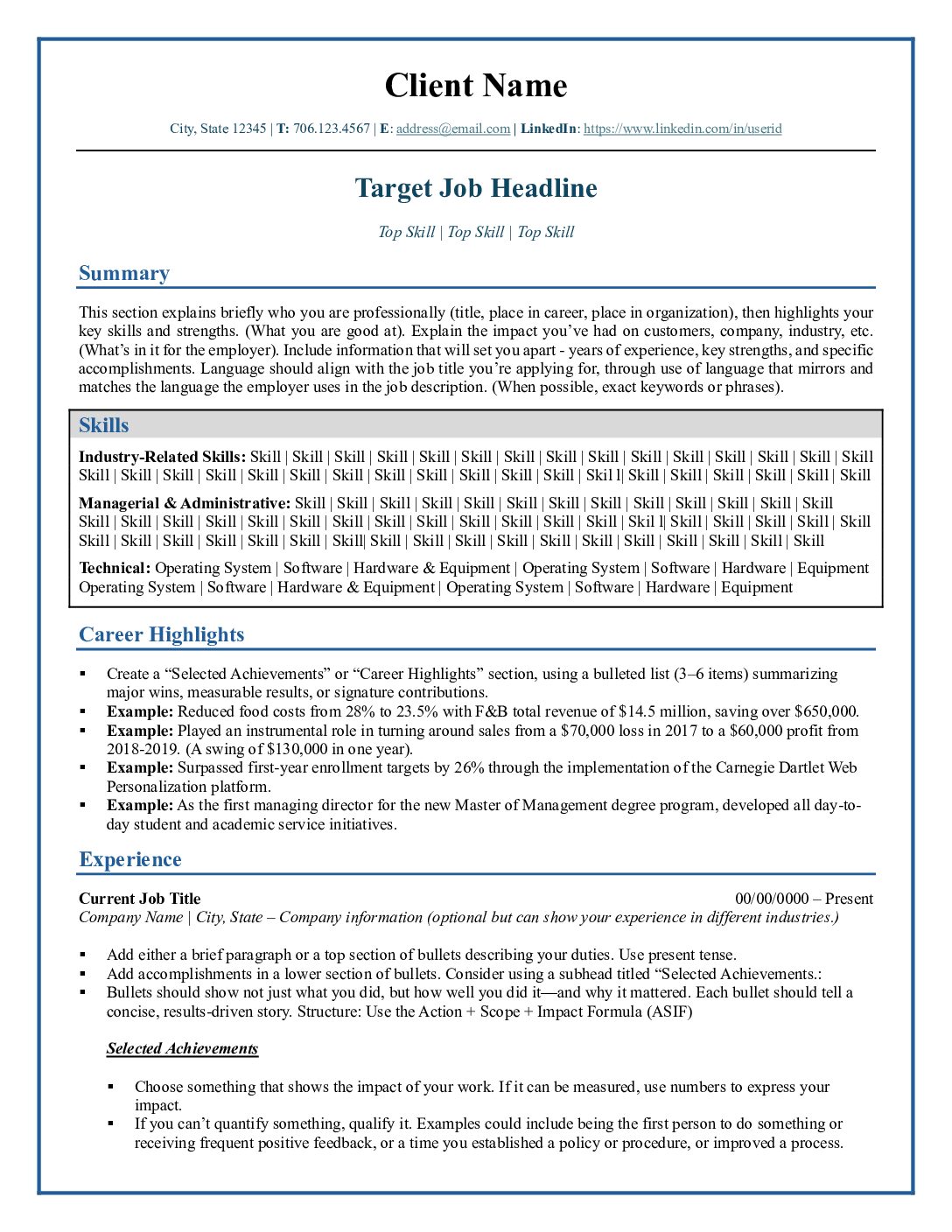
 In my last post, I gave somewhat of an overview of major placement conferences for candidates in Student Affairs. In this post, I hope to share a few tips for all you Higher Education/Student Affairs job searchers out there who are attending a placement conference this season.
During my 15-year career in Student Affairs, I was on both sides of the interview table at placement conferences and can offer you some perspectives that will hopefully set you at ease and help you be more confident and more prepared.
Save your money now. These things can get expensive!
- Ask your employer if professional development funds can be spent to attend a placement conference. For many institutions, the answer will be “no,” and you shouldn’t be surprised or offended by this. It’s just where many employers draw the line in the sand. Institutions give PD money to help their employees learn new skills and enhance their skill sets, but it’s not realistic to expect your current employer to help you find a new or better job.
- Find a roommate (or two or three) to share lodging expenses. The nightly rates at convention hotels are usually pretty moderate. (For example, nightly rates at preferred hotels for this year’s ACPA convention range from $199/night for a single room to $259 a night for a quad.) And don’t forget about parking, which will probably be in the $35/$40 per night range, or taxis and shuttle service to and from the airport if you are not driving in.
- If you have your own transportation and can find a less expensive non-conference hotel near public transit, then drive, or take the bus, and save some money.
- Take advantage of free in-room coffee and free continental breakfasts (if your hotel has them). It’s also easier than you might think to find yourself skipping breakfasts or unwilling to fight the teeming throngs trying to get breakfast at the same time. It’s also a good idea to bring snacks to your room, in case you are pressed for time and need to eat and run.
- Bring a water bottle and refill it when you can rather than buying drinks at hotel/convention center prices.
Have all your ducks in a row before you get there.
- Make sure your resume is impeccably written, targeted toward the positions you hope to apply for, grammatically correct, well laid-out, and easy to read. Placement centers will give you a candidate number. Make sure it is on your resume and that all pages stay together. Staples are fine at a placement center. Take a stapler and use it. When an interviewer has a huge pile of resumes and interview forms and brochures and giveaways to deal with, the last thing they want to do is spend their time searching a pile of loose papers for one errant page of your resume that got separated from the rest, because your paper clip slipped off.
- Speaking of candidate numbers, many candidates these days make a personalized message to employer forms that give a brief statement of interest and leave room for the candidate to write in the employer number and the posting number on the form. If you do make your own, consider using colored paper. It stands out. As a conference interviewer, I always liked these, as long as messages were brief and concise. They also helped me find a candidate’s packet more easily.
- Make contact ahead of time with potential employers about listings posted before the conference. Ask to pre-arrange an interview for your position of interest. Many employers pre-arrange a significant number of their interviews when possible.
- Make sure all your references have been prepped about your goals for the placement exchange, any positions you are planning to apply for, and your reasons for applying for certain types of positions.
Be on Your Best Behavior. At All Times!
- It won’t matter how you are dressed or how you interview if you make an ass out of yourself in some other way. Some do’s and don’ts:
- Do:
- Come prepared for each interview
- Be friendly to the interviewers and to other candidates
- Stay positive
- Thank your interviewers for their time at the end of the interview
- Network with other candidates and encourage them in their job search
- Use the preparation table areas to organize your thoughts and your materials
- Wait a few minutes if the interviewer is running late. Since most interviews run for about 30 minutes, you should feel free to go after 10 minutes. But these are very busy days and people do get off-course. If you have back-to-back interviews, let the interviewer know.
Don’t:
- Schedule back-to-back interviews (if you can help it). You’ll need time to get from one place to another and you will periodically need a break.
- Badmouth, make fun of, or make rude comments about an interviewer, a university, another candidate, your boss, your current employer, or basically, anyone. This means in the placement center, the hotel, the lobby bar, the McDonald’s across the street…wherever. If you need to vent or talk out frustrations, go to your hotel room and talk with your conference roommates or call a friend or family member on the phone. For everyone else, act like it’s raining daisies and nothing could be finer.
- Stay in the placement center all day (especially if you are not especially busy at some given time with interviews.) This can lead you to think too much, stress out, and get down on yourself. You will need fresh air and walking-around time. Take it.
- Flirt with your interviewer or other candidates, make inappropriate jokes or off-color comments or go on and on and on about how many top scholars you know in the field. It’s boorish behavior and it will count against you in the eyes of many employers.
- Expect to leave the placement center with a job in hand. Most universities just don’t work that way. There are human resource guidelines to follow, and many student-services positions really like to involve students, colleagues in related departments, and upper administrators in their selection processes, and it’s unlikely that all of these parties will be represented on the interview team.
Learn Something!
- If the placement center is part of a longer conference with professional development sessions, go to some! They are great places to network, you might learn something new that leads you to explore additional opportunities, and you will need a break from the placement center.
- If you have the option of talking about your career or some topic of interest with more experienced professionals, do it. Sometimes, these opportunities come up in sessions. Sometimes, they come up on the sidewalk, in a restaurant or at a volunteer post.
Volunteer!
- Volunteering is a great way to get informal opportunities for networking, to learn how the conference is organized, and to be of service to other candidates.
- It’s also fun. Did I mention that you are likely to need a break from interviewing? This is one way to take a break but depending on what you volunteer for, you may end up volunteering in the placement center. Just be sure that you are doing it during an actual opening in your interview schedule!
Best of luck to everyone interviewing this season!
by sean@higheredcareercoach.com | Jan 26, 2010 | Job Search

Are You Ready for Placement Season?
Springtime…the sun is shining, the birds are singing, and at colleges across the country, a young person’s fancy turns to thoughts of…unemployment?
In Student Affairs, this can only signal one thing…placement season is here. It’s time to brush up the resume, line up the references, check job postings, write cover letters, practice interview, really interview, and hope for the best. One part of this cycle in higher education is the placement conference, where candidates by the hundreds can answer the cattle calls of multiple employers, line up several interviews, and kick their search into a higher gear.
The three-hundred pound gorilla of placement centers these days is the Placement Exchange. A joint venture of ACUHO-I, ASCA, NACA, NASPA, NODA, AFA and HigherEdJobs.Com, this year’s exchange is being held in Chicago from March 3-7, just prior to the NASPA Annual Conference. According to the Placement Exchange’s website, 5070 interviews for 359 positions were held at last year’s conference in Seattle.
Two other larger conferences also offer placement centers: ACPA and the OshKosh Placement Exchange. ACPA hosts Career Central at their annual convention, held this year at the Hynes Convention Center in Boston from March 19-23. The OshKosh Placement Exchange is hosted by the University of Wisconsin-OshKosh and is in its 31st year.
For candidates that have a more regional focus, several regional organizations also hold placement conferences, including MACUHO’s Mid-Atlantic Placement Conference in Lancaster, PA from February 26 to 26 and the Southern Placement Exchange from March 11 to 14 in Memphis, TN. There are more, but these are the ones I could find while preparing for this article. If you know of another, please send it along, and I will make note of it in a future post.
For candidates that have never taken part in a large placement conference, the prospect of competing with several hundred people for positions can be pretty daunting. ACPA offers a great Guide to Demystifying Career Central at the Convention as a downloadable .pdf.
This guide offers steps for success before, during and after the interview, sample questions to help candidates prepare, resources and tips on handling illegal questions, negotiating an offer, planning your relocation, and more. These practical resources should be an asset to anyone in the Higher Ed/Student Affairs job market. I recommend reading it through well in advance of participation in any placement conference. It will give you a great feel for the placement experience.
Best of luck to you if you are a candidate this hiring season! In my next post, I will share some tips of my own. Though I probably can’t be as comprehensive as the ACPA Guide, I have been on both sides of the interview table at placement conferences, and can offer you some perspectives that will hopefully set you at ease and be more confident, and more prepared.
I’d also like to try a Twitter experiment to help keep the conversation going this placement season. If you are a candidate with a question about placement or an experienced professional (or employer) who has advice and perspectives to offer, please hashtag your placement questions and comments with #saplacement. Users can then follow these comments using their Twitter client and those of us with employment-related blogs and websites can post links to the trending topic or incorporate a feed to help others follow the conversations and add in their questions and advice. Let’s see if we can create a huge collaborative conversation that will help our colleagues and students succeed this placement season!
by sean@higheredcareercoach.com | Nov 28, 2009 | Career Skills, Coaching
As we get closer to spring each year, thoughts start to turn toward finishing grad programs, coming to the end of fixed-term appointments, or dreaming of better days ahead, new challenges and new opportunities. For some of us, less idealistic notions (like getting away from departmental politics, nasty co-workers, inefficient policies, etc.) drive us in a similar direction.
Whatever your reason, Spring is a season of renewal, or reinvention, of taking stock of our careers, and seeing what else is out there. For many of us, this means brushing up on the resumé, networking like crazy, and possibly registering for placement at the Placement Exchange, Career Central at the ACPA Convention, or a regional placement conference. Then, later in the spring, as campus interviews start happening, we drive ourselves crazy preparing for long interview days, juggling schedules, keeping our motivation, and making the best arguments for that next step in our careers.
I know, because I’ve been there, that this can be a hugely stressful time, and that it is hard to prepare and be ready for all that might be thrown at you in a long interview process (or two, or three, or more.)
I’ve also been on the screening and interviewing side of the table many times, and I can tell you that is hard work, too. For many positions, you may get 100 or more applications for one vacancy. It’s extremely important to weed out the chaff and keep the wheat, and the competition for top candidates is often stiff.

Are You Ready for Placement Season?
If you are searching, are you ready?
If you aren’t, there are many things you can do to be better prepared. One of these options is to hire a career coach. There are others, and I will likely return to them in later articles. But for now, I’d like to introduce myself, and tell you what sorts of coaching I can offer candidates.
My name is Sean Cook, and for 15 1/2 years, I worked in higher education. During most of this time, I worked for Residence Life at Penn State University. I began there in 1995 as a live-in residence life coordinator and eventually moved up the ranks, ending as Assistant Director for North and West Halls. I was fortunate to work for a great department at a top university, and I was given a wide variety of interesting tasks, including Welcome Week/Orientation, block-booking of programs, multicultural programming, oversight of resident assistant training classes, marketing, etc.
I was also lucky to take part in many selection processes, from student positions all the way to director, to lead placement interview teams at regional conferences, and to participate as a member of the selection team at ACPA. I estimate that over my professional career, I’ve seen several thousand resumes and done hundreds of interviews. I’ve always enjoyed the interview process, and I’ve helped many students and higher ed professionals with their resumés, cover letters and job search strategies. I get a lot of satisfaction from helping people find jobs they love, especially when those jobs are in higher education, where their impact can be deep, powerful and long-lasting.
After a lot of research and some testing out, I decided to pursue certification as a Life and Career Coach. I am currently finishing up the certification process through the Life Purpose Institute, and expect to be certified by early 2010 (hopefully the end of January).
As a career coach, I am specializing in work with candidates in higher education, because I believe in the impact they can have on college students and our society. Working in higher ed requires a different mindset than the corporate world. As someone with a lot of experience with higher ed selection processes, I understand that they are different beasts altogether, with daylong (or longer) interviews, involving all sorts of constituencies, including students, faculty, and at times people outside the department or from the executive suites of “Old Main” buildings. I’ve been on both sides of these processes, and I can offer you the perspectives of someone who has been there, as well as the lessons I learned from my personal successes and failures.
If you are a higher ed professional, and plan to go through placement this season, I would like to offer you my assistance with your search. Here are some services I can offer:
- Resumé/Cover Letter Assistance and Editing:
- Resumé /Cover Letter critique (general comments and editorial advice, but you do your own editing.) $50
- Resumé/Cover Letter revision (extended comments, reformatting, editing, and consultation over e-mail) $125
- Extensive Resumé/Cover Letter revision/re-writing (all of the services of resume revision, plus up to one hour of individual consultation over the phone/Skype or another chat client.) $250
- Placement Preparation Teleseminar:
- This will feature an overview of a typical placement center, and advice on placement center procedures and etiquette
- Overview of placement center interview strategies
- Advice from experienced candidates and interviewers
- Question and Answer Session
- Multiple sessions will be scheduled. If you are interested, e-mail sean@higheredcareercoach.com to be notified about upcoming times.
- Teleseminars will be 90 minutes long, and held over a telephone bridgeline. Space will be limited to 15 persons per seminar.
- Seminar registration will be $50/person. If you are interested in participating as a group, contact Sean to discuss a group rate.
- 1-on-1 Coaching
- Pay-as-you-go Rate: $100/session (can be scheduled weekly or biweekly; sessions are 45 minutes each.)
- Placement Prep Packages: For higher ed job seekers taking part in placement, I am offering some 1-on-1 Coaching Packages at a substantial discount from my regular rates.
- Student/Recent Grad Rates & Packages:
- 1-on-1 coaching only: $50/hour. (Must commit to at least 3 sessions between January and April 2010 to get this rate.)
- Package 1: 6 sessions of 1-on-1 coaching, plus resume revision. $350
- Package 2: 10 sessions of 1-on-1 coaching, plus resume revision and Placement Prep Teleseminar: $600
- Other custom packages available by individual consultation.
- Experienced Professional Rates & Packages:
- 1-on-1 coaching only: $75/hour. (Must commit to at least 3 sessions between January and April 2010 to get this rate.)
- Package 1: 6 sessions of 1-on-1 coaching, plus resume revision. $500
- Package 2: 10 sessions of 1-on-1 coaching, plus resume revision and Placement Prep Teleseminar: $750
- Other custom packages available by individual consultation.
Whether you decide to work with me or not, I wish you the best during placement season.
Good luck with your interviews!
© 2009 Sean Cook/HigherEdCareerCoach.Com
Permission is hereby granted to others to repost this article, link to it or syndicate it, as long as they leave in the copyright statement and link back to higheredcareercoach.com