by sean@higheredcareercoach.com | Sep 9, 2025 | Career Transitions, Higher Education, Job Search
The question of whether working in higher education is “worth it” has never been more complex. Academia has long been considered a bastion of stability—a place where skilled educators and administrators could build long, secure careers.
Today’s shifting landscape, marked by declining enrollment, funding hurdles, and a rapidly changing academic job market, has many educators and administrators questioning whether the traditional promise of a secure career still holds true. This shifting reality raises pressing concerns and makes the future of careers in higher ed feel more uncertain than ever before.
According to the Bureau of Labor Statistics, employment of postsecondary education administrators is projected to grow 3 percent from 2023 to 2033, slightly below the average for all occupations at 4%. On average, about 15,200 openings for postsecondary education administrators are projected each year from now until 2033. At the current pace, only 6,200 new positions are expected to be added by 2033. In contrast, the BLS projects that the growth of other management occupations during the same period will be double that rate, at 6%, resulting in 227,600 new positions. For context, the total number of postsecondary education administrators in the U.S. in 2023 was 216,400. For educators ready for a change, the opportunities are out there.
The Erosion of Traditional Stability.
Tenure-track positions once represented the gold standard in job security. Today, institutions increasingly rely on adjunct faculty and temporary contracts. This trend, driven in part by budget cuts and institutional restructuring, has created uncertainty about job security, even for those with long-established roles.
According to a “data snapshot” in Academe Magazine, the U.S. academic workforce has undergone a significant shift, transitioning from a majority of full-time, tenured, or tenure-track faculty to a primarily contingent workforce. This includes full-time non-tenure-track instructors, those in positions with no tenure system, and part-time faculty. In Fall 2021, over two-thirds (68 percent) of faculty members at U.S. colleges and universities held contingent positions, compared to about 47 percent in Fall 1987. Furthermore, nearly half (48 percent) of faculty members were employed part-time in Fall 2021, up from about 33 percent in 1987. Only 24 percent of faculty members held full-time tenured appointments in Fall 2021, down from about 39 percent in Fall 1987. This shift underscores the need for professionals to be adaptable and open to new opportunities.
Opportunities Hidden in Uncertainty.
While volatility poses challenges, it also brings new opportunities. Higher education is evolving to meet the needs of an increasingly diverse student population and a technology-driven landscape. For instance, in 2021, 61% of college students enrolled in at least one online class, with 28% taking courses exclusively online. This trend indicates a growing demand for professionals skilled in online learning
Similarly, technological advancements, shifting demographics, and changing economic conditions are driving the need for analysts who can evaluate trends and develop strategies for student enrollment and retention.
As higher education institutions rely more on data to enhance student outcomes, optimize resource allocation, and improve overall efficiency, the demand for Institutional Research Analysts is projected to grow by 23% by 2033.
The Importance of Transferable Skills
Transferable skills are your secret weapon in the ever-changing job market. These are abilities and knowledge that can be applied across various roles and work environments. Examples of these skills include communication, problem-solving, leadership, and adaptability. Employers highly value transferable skills because they demonstrate a candidate’s potential to succeed in different positions and handle new challenges effectively.
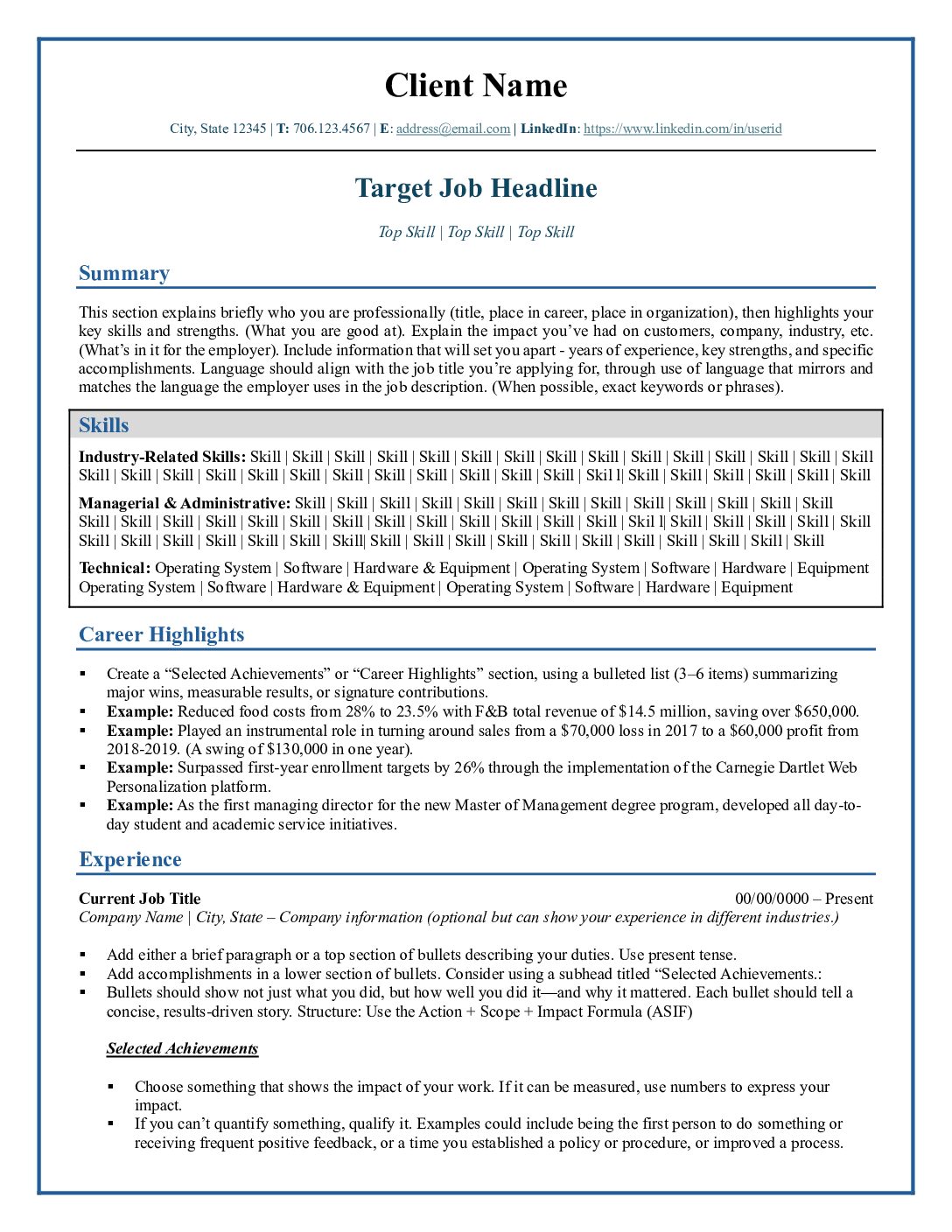
In today’s ever-changing job market, adaptability is crucial. Many skills developed in academia, including critical thinking, project management, research, and communication, easily translate into roles in corporate, nonprofit, and government sectors. Identifying and promoting these abilities can significantly broaden career opportunities beyond the campus gates.
Questions to Ask Yourself
- Am I prepared to pivot if my role changes or disappears?
- What skills do I have that are in demand outside academia?
- Does my current position align with the future direction of higher ed?
Final Thoughts
Higher education can still be “worth it” for professionals who are proactive about career planning, continually developing their skill sets, and open to exploring roles both inside and outside the academy. The crucial point is not to rely on the old promise of security but to create your stability through strategic career management.
References:
Bureau of Labor Statistics, U.S. Department of Labor, Occupational Outlook Handbook, Postsecondary Education Administrators, at https://www.bls.gov/ooh/management/postsecondary-education-administrators.htm (Accessed 12 Aug. 2025).
Bureau of Labor Statistics, U.S. Department of Labor, Occupational Outlook Handbook, Top Executives,
at https://www.bls.gov/ooh/management/top-executives.htm (Accessed 12 Aug. 2025).
Colby, Glenn. “Data Snapshot: Tenure and Contingency in US Higher Education.” Academe Magazine, www.aaup.org/academe/issues/spring-2023/data-snapshot-tenure-and-contingency-us-higher-education. Accessed 12 Aug. 2025.
National Center for Education Statistics. (n.d.) Fast Facts: Distance Learning. Retrieved August 13, 2025, from https://nces.ed.gov/fastfacts/display.asp?id=80#:~:text=Distance%20education1%20courses%20and,remained%20higher%20than%20fall%202019.
Bureau of Labor Statistics, U.S. Department of Labor, Occupational Outlook Handbook, Operations Research Analysts,
at https://www.bls.gov/ooh/math/operations-research-analysts.htm (Accessed 12 Aug. 2025).
“Unleashing The Potential: Transferable Skills Explained In English.” Proceffa, 15 Apr. 2023, proceffa.org/unleashing-the-potential-transferable-skills-explained/. (Accessed 12 Aug. 2025).
Garganta, Rosemarie G. “From Job to Job: The Power of Transferable Skills in Career Transitions.” Columbia University School of Professional Studies, https://careerdesignlab.sps.columbia.edu/blog/2024/10/03/from-job-to-job-the-power-of-transferable-skills-in-career-transitions. (Accessed 12 Aug. 2025).

by sean@higheredcareercoach.com | Nov 2, 2011 | Site News

Transparency is one of the essential elements of career success. Pick up any modern book on career planning, small business development, marketing, or social media, and you’ll probably find a section devoted to the idea of transparency, and how essential it is to establishing the three foundational elements of successful relationships: people know you, like you and trust you.
It Should Be Easy, Right?
But it’s not easy to be “transparent.” Each of us struggles with something, but no one wants to be defined by their problems. Especially if you are looking for a job, looking for customers, or trying to establish yourself as an “authority” within some niche. If you’re truly transparent, people identify with your humanity, because your successes and your struggles are both familiar, and they root for you.
So What’s the Problem?
Herein lies the rub: the more risks you take in your career or with your business, the greater the potential reward…or potential loss. So you stay within your comfort zone, and try to figure your way through, on your own. And sometimes, it’s neither practical (nor healthy) to do so. But, “issues” put aside are eventually recognized for what they are…problems. And when you have a problem, it’s supposed to be okay to ask for help. As educators and supervisors, we know this. We preach this to our students. We evangelize for this to our young professionals. And yet we resist holding ourselves to the same standard, even though we know–genuinely know–that those who ask for help are usually met with kindness, understanding, and support.
So What’s My Problem?
I’ve arrived at a point with this site and with my business where it would be folly to continue without more help. As I expanded the local aspect of my business, I’ve been getting more clients for résumé writing and LinkedIn profiles, and many of these are from outside of academia, and have varied experiences that are hard to tie together into a coherent package.
I’ve always been good at writing résumés, and I enjoy challenges, but it requires a very different type of energy and focus than writing blog posts and sharing perspectives. And I find it hard sometimes to shift gears and keep moving. For the past couple of months, the result has been writer’s block, and I’ve had to devote more time to the writing I am paid for (the résumés) than to my sites.
What Kind of Help Do I Need?
I have some ideas that need to be implemented, and resources that need to be developed, and not enough time and energy to do them all. And I would like to revive my second site, Higher Ed Life Coach, and continue development on a local career resource site, AthensGACareerCoach.Com. So I am looking for an intern to help in content development, and social media, and also for high-quality, relevant guest posts. I will post something later this week about guest posting opportunities. In the meantime, here’s a description of what I am looking for in an intern.
The Internship
The Career Content Development Intern will compile career resources and develop new content for websites (primarily HigherEdCareerCoach.Com and AthensGACareerCoach.Com, but possibly including other sites currently published or under development by Cook Coaching and Consulting); may appear as a guest or co-host on podcasts; schedule guests for podcast, interview educators, job-seekers, coaches and others for site and podcast features; co-host webinars and twitter chats, assist with social media publishing (Twitter, Facebook) and assist with site management, search engine optimization and site design. Other duties will be negotiated, based on current site development needs and the intern’s interests.
Compensation
Anticipated compensation is $8/hour, for a maximum of 5 hours a week, and the duration of the internship will be 20 weeks or 100 hours. This is a part-time contract position, beginning in late November or early December, and ending in May 2012. The finalist will be required to submit appropriate documentation confirming eligibility to work in the United States of America, keep and submit accurate and timely records of hours worked, and your contract income will be reported to the IRS. Additionally, the intern will receive a profile page on HigherEdCareerCoach.Com, a HigherEdCareerCoach.Com e-mail account, and may be featured on podcasts and videos.
Qualifications
Minimum qualifications: Bachelor’s degree and at least one year of relevant experience in student affairs/higher education (undergraduate and graduate experience counts!). Excellent verbal and written communication skills, ability to research and compile information and resources quickly and accurately, experience using social media, blogging, podcasting, and producing internet video. Access to a working computer, internet connection and some form of telephone (landline, cellular or VOIP.)
Preferred qualifications: Current graduate student or recent graduate of a student affairs, higher education, college student personnel administration or related program. Ideally, the candidate will also be someone not employed full-time, who can use the internship to expand his or her career development portfolio. Experience using Mac computers, WordPress, iMovie, and Garageband to produce engaging content is a plus; Efficient and deadline-oriented, but flexible and good-humored, with an ability to deliver consistently accurate information; creative but organized, who will focus on helping our web sites reach their potential.
Application Process
Applications should consist of the following:
- A current résumé
- A cover letter, no longer than 2 pages, outlining your relevant experience and your most compelling arguments.
- Some explanation or evidence of your positive engagement in social media. This can be addressed in your cover letter, or through creative use of social media platforms (Twitter, YouTube, Facebook, LinkedIn, etc.) to demonstrate your experience, comfort level and engagement with these platforms.
- 3 professional references who can speak not only to your character and work ethic, but toward your ability and/or potential as a writer and content developer.
Deadline
Applications should be sent via e-mail to sean@higheredcareercoach.com with the subject “Career Content Development Intern” no later than 5 p.m. ET Friday November 18. For documents, .pdf format is preferred for all attachments. Interviews will be scheduled during the last two weeks of November, and will be conducted via a webmeeting/video chat interface. Start date will be sometime in late November or early December and will be negotiated with the successful candidate.
Equal Employment Opportunity Statement
Cook Coaching and Consulting, LLC is an Equal Opportunity Employer. All qualified applicants will receive consideration for employment without regard to race, color, religion, sex, gender, ethnicity, sexual orientation, national origin, or genetic condition. The company strives for compliance with all applicable labor laws outlined by the State of Georgia and the U.S. Department of Labor, including the Americans with Disabilities Act.

by sean@higheredcareercoach.com | Oct 27, 2011 | Career Skills, Job Search, life purpose, Social Networking, transferable skills, Who-Dos, Workplace
Motivation is sometimes hard to come by, but it’s essential to keeping forward momentum in your career.
If anyone knows this, it’s online marketing strategist Tommy Walker, who went from being fired over pair of pants 3 years ago to writing a magnum-opus guest post “106 Excuses That Prevent You From Ever Being Great” on Chris Brogan’s web site. Brogan, known for almost never accepting guest posts, took a chance on Walker’s piece, and in the process threw any editorial guidelines he might have had out the window, posting all 7,000+ words of it.
The response the post received so far has been phenomenal, with 329 retweets and 1,260 likes on Facebook as this is being written. We’ll talk to Walker about his journey from fired cell phone salesman to successful online marketing strategist and guest blogger, and get tips for knocking down excuses and staying motivated.
This segment was pre-recorded, and will air Friday, October 28, 2011 at 11:00 a.m. ET. To listen, follow this link or use the player in the right sidebar.



 I’ll make this post short